Archive for February 2020

A cure for diabetes has been found, stem cells to be the answer

A team of researchers may have just stumbled upon the cure for diabetes by fusing mice with stem cells. The results are extremely promising.

For those that don't know much about diabetes, here's a quick summary of the disease. People who have diabetes find it hard for their bodies to produce a reasonable amount of insulin. The current treatment for this is regular exercise, strict diet, and insulin shots. In the human body, the pancreas produces insulin, but in the case of a diabetic, their pancreas does not produce enough. This means patients have to monitor their blood sugar levels and directly inject insulin into their bloodstream.

In the new study, researchers led by Jeffrey Millman from Washington University in St. Louis, Missouri, found that using pluripotent stem cells (iPS cells), which are stem cells that can be manipulated into becoming almost any cell in the body, they can cure diabetes. Unfortunately, when using these stem cells, not all of them convert into the desired cell, in this case, insulin-producing cells. This means that some random cells enter the bloodstream along with converted insulin cells.

Millman spoke to Atlas and said, "The more off-target cells you get, the less therapeutically relevant cells you have. You need about a billion beta cells to cure a person of diabetes. But if a quarter of the cells you make are actually liver cells or other pancreas cells, instead of needing a billion cells, you'll need 1.25 billion. It makes curing the disease 25% more difficult."

So, what the researchers did was infuse these cells into diabetic mice and monitored their blood sugar levels. What they found was the mice were "functionally cured" of diabetes for up to nine months, as their blood sugar levels stabilized back to normal.

Even though these tests are in animals and not humans, it still proves that diabetes can theoretically be cured. The researchers and scientists plan on more testing in larger animals and eventually humans.

Leave a comment

Type 1 diabetes cured in mice using stem cells

New research uses an innovative technique to convert human stem cells into insulin-producing beta cells much more effectively. The insulin-producing cells created 'rapidly cured' type 1 diabetes in mice, and the benefits lasted for 9 months.

As many as 187,000 children and adolescents in the United States were living with type 1 diabetes in 2018.

An additional 1.4 million people aged over 20 years have the condition and manage it with insulin, according to the same statistics from the Centers for Disease Control and Prevention (CDC).

In type 1 diabetes, a faulty autoimmune response causes the immune system to attack and destroy insulin-producing beta cells within the pancreas.

Previous research has pointed to human pluripotent stem cells (hPSCs) as a potential therapeutic avenue for type 1 diabetes.

Pluripotent stem cells are an attractive option for researchers from a therapeutic standpoint because they can self-renew in lab cultures and can differentiate into a variety of cell types.

Researchers have previously used hPSCs to create insulin-producing beta cells. However, they were not able to do so effectively enough to cure type 1 diabetes.

Jeffrey R. Millman, Ph.D., an assistant professor of medicine and biomedical engineering at Washington University School of Medicine in St. Louis, is the principal investigator of the new study, which managed to overcome these previous obstacles.

He explains the challenges that halted the scientists' progress until now. He says, "A common problem when you're trying to transform a human stem cell into an insulin-producing beta cell — or a neuron or a heart cell — is that you also produce other cells that you don't want."

"In the case of beta cells, we might get other types of pancreas cells or liver cells." While implanting these unnecessary — or "off-target" — cells does not cause any harm, Millman further explains that creating more of them offsets the number of therapeutically useful cells.

"The more off-target cells you get, the less therapeutically relevant cells you have," he says.

"You need about a billion beta cells to cure a person of diabetes. But if a quarter of the cells you make are actually liver cells or other pancreas cells, instead of needing a billion cells, you'll need 1.25 billion cells. It makes curing the disease 25% more difficult."

However, the new research used an innovative technique that bypassed this problem. The findings appear in the journal Nature Biotechnology.

The new technique targets the cytoskeleton — or inner "scaffolding" — of the hPSC to direct their differentiation into pancreatic cells.

The cytoskeleton is a structure that helps cells keep their shape and offers the mechanical support that allows cells to move, divide, and multiply.

Targeting this structure allows the researchers to create fewer irrelevant cells and better functioning beta cells that helped control blood sugar.

Millman explains the novelty of the approach, saying, "It's a completely different approach, fundamentally different in the way we go about it."

"Previously, we would identify various proteins and factors and sprinkle them on the cells to see what would happen. As we have better understood the signals, we've been able to make that process less random."

Millman and team transplanted "islet-sized aggregates" of beta cells differentiated from hPSC into mice with type 1 diabetes.

Pancreatic islets are groups of cells located in the pancreas. Some of these cells are insulin-producing beta cells.

This transplantation procedure "rapidly reversed severe preexisting diabetes in mice," write the authors in their paper. The new stem cell protocol "can rapidly cure preexisting diabetes in mice," they emphasize later on.

The reversal occurred at a rate similar to that of human islets, and normal blood sugar control was maintained for at least 9 months.

"We were able to make more beta cells, and those cells functioned better in the mice, some of which remained cured for more than a year."

– Jeffrey Millman

The principal investigator continues to report on the highly significant findings.

"These mice had very severe diabetes with blood sugar readings of more than 500 milligrams per deciliter of blood (mg/dL)— levels that could be fatal for a person — and when we gave the mice the insulin-secreting cells, within 2 weeks their blood glucose levels had returned to normal and stayed that way for many months."

However, the researcher also explains that there are a few more steps to follow before the research can help humans.

First, researchers must test the cells in larger animals and then find a way to automate the new technique to produce the billions of cells required for the millions of people that have type 1 diabetes.

Leave a comment

Human Stem Cells Successfully Used To Cure Diabetes In Mice

Researchers at the Washington University School of Medicine in St. Louis have shown that it is possible to use human stem cells to functionally cure diabetes in mice in just a couple of weeks. The treatment kept the disease at bay for at least nine months and up to more than a year in some mice. 

The work, published in Nature Biotechnology, builds on previous research by the team. They focused on the use of human pluripotent stem cells, cells that can take the form of any type of human cell. They used the cells to generate pancreatic beta cells, which are known to secrete insulin, the hormone that regulates blood sugar level. People with diabetes cannot produce sufficient insulin to control their blood sugar level. 

The mice were given severe diabetes using a substance known as streptozotocin. The human cells were then implanted in the animals, where they successfully began to control the rodents' blood sugar levels, functionally curing the disease.

"These mice had very severe diabetes with blood sugar readings of more than 500 milligrams per deciliter of blood – levels that could be fatal for a person – and when we gave the mice the insulin-secreting cells, within two weeks their blood glucose levels had returned to normal and stayed that way for many months," principal investigator Dr Jeffrey R. Millman, an assistant professor of medicine and of biomedical engineering, said in a statement. 

The key element of the research is the production of the insulin-secreting cells. Activating stem cells with a particular type in mind risks the production of cells of unwanted types too. In the case of beta cells, other pancreatic or liver cells can form as well. Research shows that they are not harmful but they are also irrelevant, diminishing the overall therapeutic value of the approach.

The team constructed a new technique based on the actin cytoskeleton, the scaffolding of the cells. This system delivers and translates biochemical cues for the cells and by improving their understanding of how this works, the scientists found a better way to produce only the right cells.

"In this study, we establish a link between the state of the actin cytoskeleton and the expression of pancreatic transcription factors that drive pancreatic lineage specification," the authors write in the paper.

It is still early days, so it will be a long time before this treatment can be applied to humans. Many more tests will be necessary in animal models before clinical trials can begin.

Leave a comment

Diabetes Stock Insulet Drops 8.5% on Earnings Miss and Softer-Than-Expected Outlook

Insulet (NASDAQ:PODD) reported fourth quarter and full year 2019 results after the market closed on Tuesday, Feb. 25. The tubeless insulin pump specialist's revenue grew 27%, and its earnings per share declined 50% year over year. 

Shares of the Massachusetts-based healthcare company fell 8.5% on Wednesday. We can attribute the market's reaction to earnings missing Wall Street's consensus estimate, along with guidance for both the first quarter and full year 2020 coming in lower than analysts had been projecting. Over the last year, Insulet stock has doubled, while the S&P 500 has returned 13.7%.

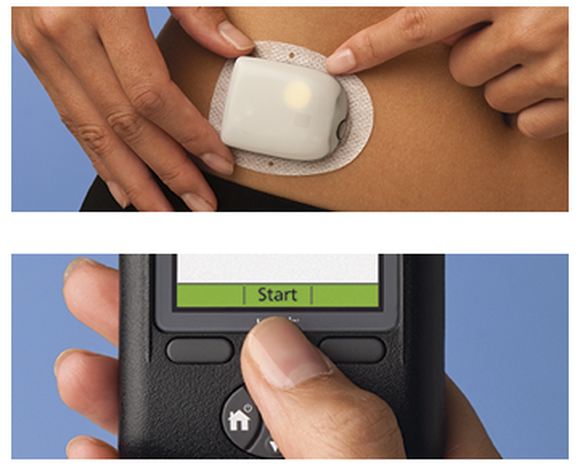
A two-pane panel with upper one showing an Omnipod on a woman's stomach and lower one showing the handheld control device.

Image source: Insulet.

Insulet's key numbers

Metric

Q4 2019

Q4 2018

Change

Revenue

$209.4 million $164.9 million 27%

Operating income

$18.2 million $16.2 million 12%

Net income

$5.0 million $9.9 million (49%)

Earnings per share (EPS)

$0.08 $0.16  (50%)

Data source: Insulet. 

Revenue easily beat Insulet's guidance range of $193 million to $201 million. For context, in the first, second, and third quarters, year over year revenue growth was 43%, 29%, and 27%, respectively.

Wall Street was looking for EPS of $0.11 on revenue of $195.5 million. So the company fell short on the bottom line, but surpassed the top line expectation.

What happened with Insulet? 
  • In the fourth quarter, global Omnipod revenue surged 30% year over year to $192.5 million.
  • U.S. Omnipod revenue jumped 36% to $126.7 million.
  • International Omnipod revenue rose 20% to $65.8 million. 
  • Drug delivery revenue edged up 1% to $16.9 million.
  • Fourth quarter gross margin was 64%, down from 66.9% in the year-ago period, and slightly lower than last quarter's 64.1%. As with last quarter, the year over year decline was due to the ramp-up of the company's manufacturing capabilities at its new U.S. facility, located in Massachusetts. 
  • The company installed a second U.S. manufacturing line, with commercial production on this line expected by mid-year 2020.
  • It "entered pivotal trial for the Omnipod Horizon automated insulin delivery system, including 240 participants ages 6 to 70 years old," according to the earnings release. This system, expected to launch late this year, uses a DexCom continuous glucose monitor (CGM) to dose insulin. 
  • The company "broadened collaboration with DexCom to integrate its G6 and future G7 continuous glucose monitoring systems into the Omnipod Horizon system."
  • It "expanded partnership with Abbott [Laboratories] to integrate its next-generation Libre glucose sensing technology into the next-generation Omnipod Horizon system." 
  • What management had to say

    Here's what CEO Shacey Petrovic had to say in the press release:

    2019 was a remarkable year for Insulet, marked by disciplined execution of our strategy that allowed us to deliver consistent financial outperformance and strong operational results. With a solid foundation, pipeline of innovative technologies and proven strategy firmly in place, we made progress investing across our global organization to drive sustainable, long-term growth.

    As we look ahead to 2020, Insulet has a clear trajectory to strengthen our leadership position and make even greater treatment options a reality for the large and underserved global diabetes market. We are well on track to meet our 2021 financial targets of $1 billion in revenue, 70% gross margin and mid-teens operating margin, and remain focused on advancing our mission to ease the burden of people living with diabetes.

    Looking ahead

    Insulet ended a great year with a solid quarter. Management issued first quarter and full year revenue guidance:

  • Q1: Revenue growth 17% to 20% year over year. 
  • 2020: Revenue growth of 14% to 18% over 2019.  
  • Going into earnings, Wall Street had been modeling for year over year revenue growth of 27.4% in the first quarter and 20.8% for 2020. So, Insulet's outlook for both periods came in lighter than analysts expected. This was surely a big factor in the stock's decline on Wednesday. 

    Insulet has a great track record of beating its quarterly revenue guidance and increasing its annual guidance several times each year. So, the revenue growth outlooks for the first quarter and 2021 are probably quite conservative.

    Leave a comment

    Diabetes Treatment Breakthrough May Help Cure Disease

    KEY POINTS

  • More than 30 million Americans suffer from Diabetes
  • A new cure replaces Insulin shots with beta cells
  • The treatment can be made more effective by attacking structure of unwanted cells
  • Diabetes is widespread across the U.S. — more than 30 million Americans suffer from the disease. No cure has been found for it. Its treatment is done with the regulation of diet and regular shots of insulin. It seems that researchers are inching closer to a cure now.

    Researchers at the Washington University, St. Louis, Missouri were able to cure diabetes in mice by infusing them with stem cells.

    Diabetes affects the ability of the body of producing and managing insulin, which is normally produced by the pancreas. When this happens, body insulin levels need to be monitored regularly and expensive insulin shots need to be administered if blood sugar levels shoot up. According to the researchers, the findings provide a much reliable alternative— using beta cells to generate insulin for diabetics.

    The treatment works using pluripotent stem cells. These cells can actually shape-shift into becoming any kind of cells in the body. However, the process is not perfect. The cells can also morph into other types of cells. The cells are harmless but do affect the ratio of the insulin-producing cells, affecting the efficacy of the treatment.

    Jeffrey Millman, the lead researcher of the project told New Atlas, "The more off-target cells you get the less therapeutically relevant cells you have. You need about a billion beta cells to cure a person of diabetes. But if a quarter of the cells you make are actually liver cells or other pancreas cells, instead of needing a billion cells, you'll need 1.25 billion cells. It makes curing the disease 25 percent more difficult."

    The researchers have found that unwanted cells can be gotten rid of. Millman's team has found that by targeting the cytoskeleton of the cells, which gives them their shape, they were able to increase the percentage of the effective beta cells to make an altogether more functional treatment.

    The treatment has only been tested on mice currently. It is far from human trials, but it holds hope for a future cure of the disease. The team has a plan laid out for testing the treatment in larger animals, before finally going for human trials.

    type 1 and type 2 diabetestype 1 and type 2 diabetes Photo: Tesa-Photography - Pixabay

    Leave a comment

    Diabetes Drug May Benefit Long-Term Steroid Users

    For people on systemic glucocorticoid therapy for various chronic inflammatory conditions, concomitant metformin seemed to provide some overall health benefits, a phase II trial found.

    In a small analysis of patients with an inflammatory disease treated with steroids, but without preexisting diabetes, daily metformin for 12 weeks did not significantly improve visceral-to-subcutaneous fat area ratio (difference within metformin group 0.11), which was the study's primary outcome, reported Márta Korbonits, MD, of the University of London, and colleagues.

    However, metformin did help to slightly improve many other factors, including a significant reduction in truncal subcutaneous fat compared with placebo (-3,835 mm², 95% CI -6781 to -888, P=0.01), they stated in the Lancet Diabetes & Endocrinology.

    Visceral adiposity, waist circumference, and body weight weren't significantly affected, the authors added, although several other metabolic markers -- including markers of carbohydrates, lipids, liver, and bone metabolism -- all showed some improvements with concomitant metformin.

    These benefits included improvement in fasting glucose, HbA1c, HOMA2IR, total and LDL cholesterol concentrations, intima-media thickness, bone mineral density at the hip, and a decrease in the bone resorption marker βCTX.

    Beyond improvements in the metabolic profile, metformin also showed a significant improvement in the overall quality of health for these patients on continuous prednisolone. Compared with those on placebo, metformin significantly cut down on the frequency of pneumonia infections experienced by these patients, at one versus seven events, and also cut down on the amount of moderate-to-severe infections at two vs 11 events.

    Hospital admission due to adverse events (AEs) were also significantly lower among those treated with metformin at one versus nine admissions. The most common AEs were nausea, diarrhea, and abdominal discomfort.

    One downside to metformin treatment was a higher frequency of diarrhea events versus placebo (18 events vs eight events, P=0.01).

    "Our findings are strikingly positive and suggest that a simple and immediately available intervention, treatment with the diabetes drug metformin, can improve the clinical status of patients on glucocorticoid treatment, even if they do not have diabetes," Korbonits explained in a statement. "The results could have a huge impact on the large number of patients on long-term glucocorticoids, improving treatment-related complications and their cardiovascular prognosis."

    "Whilst developed countries may be increasing the use of biologics or other steroid-sparing agents, in many other parts of the world there's still a heavy reliance on glucocorticoids," she pointed out, underscoring the need for "a safe, cheap, and effective treatment that can prevent the major metabolic complications of these medicines, but does not affect, or could even improve, their anti-inflammatory properties."

    The analysis included 40 adults with an inflammatory disease treated with continuous prednisolone at 20 mg/day or more for at least 4 weeks, and who remained on at least 10 mg/day for the following 12 weeks. Metformin was administered to 19 of these individuals, at a starting dose of 850 mg/day for the first 5 days, bumping up to 850 mg twice a day for the next 5 days, and ending with 850 mg three times a day for the remaining of the 12 weeks. They were then compared with 21 patients on placebo. None of these patients had preexisting diabetes.

    In an accompanying comment, Martin Reincke, MD, PhD, of the Ludwig Maximilian University of Munich in Germany, stated that the "stunning efficacy of metformin on these surrogate parameters might call for immediate action."

    However, he pointed out the very small sample size and short duration limited these findings, and that a larger, phase III trial would be needed before any changes to clinical practice are made.

    Reincke stated that it "has to be shown that metformin is not an ambiguous agent interfering with the anti-inflammatory and immunosuppressive effects of glucocorticoids," explaining that although there were no flairs of inflammatory disease reported among these trial participants on metformin, the decrease in pneumonia cases "might indicate a complex interaction with the immune system."

    Until these questions are answered, Reincke advised use of metformin in this setting be given on a case-by-case basis.

    Disclosures

    The trial was funded by Barts Charity and Merck Serono.

    Korbonits disclosed relevant relationships with Merck Serono, Barts Charity, and Novo Nordisk. Co-authors disclosed multiple relevant relationshiops with industry.

    Reincke disclosed support from the Else Kröner-Fresenius Stiftung and the Deutsche Forschungsgemeinschaft.

    Leave a comment

    Type-1 Diabetes Treatment Market Will Reach Nearly USD 9.6 billion In Revenues, Global Size To Grow At CAGR Of 7.9% Through 2025

    Feb 12, 2020 (AB Digital via COMTEX) --  Type-1 Diabetes Treatment Market Overview:

    Global type-1 diabetes treatment market, as per the Market Research Future (MRFR) report, can grow with a 7.9% CAGR and reach a market valuation of USD 9.6 Billion between 2019 and 2025. The report further elaborates on factors that can impact the global type-1 diabetes treatment market. The disease is known as a chronic condition that needs lifelong medication. It can affect an individual at any stage of his or her life. Both children and adults can be influenced by this and obese have a high chance of contracting the disease. This can be triggered further by a sedentary lifestyle. Other factors like changes in societal behavior, cultural output, and economic factors can also influence market growth. However, the market for type-1 diabetes treatment depends much on the significant number of players influencing market innovation. This is also getting deterred by regulations imposed by governments who are looking for better management of the situation. But governm ent assistance in diverse ways can also trigger better market percolation.

    Get a FREE Sample Copy of Report with Complete TOC @ https://www.marketresearchfuture.com/sample_request/8199

     Type-1 Diabetes Treatment Market Segmentation:

    The global market for type-1 diabetes treatment can be segmented by product and end user. This analysis depends much on the volume-wise and value-wise factors that can assist in the scientific prediction for the coming years.

    By type, the global market for type-1 diabetes treatment can be segmented into rapid-acting insulin, short-acting insulin, medium-acting insulin, long-acting insulin, and others. The rapid-acting insulin can be taken into consideration as the largest revenue-generator. This is also expected to grow with the fastest CAGR during the forecast period.

    By end user, the global market study for the type-1 diabetes treatment can be segmented into hospitals & clinics, specialty centers, and others. The hospitals & clinics segment can be taken into consideration as the largest revenue producer. This can be also the fastest-growing segment. Also, the segment is cost-effective, which can influence market growth in the coming years.

     Type-1 Diabetes Treatment Market Regional Analysis:

    North America is a region with immense growth possibilities as the regional healthcare setup is top-class. The regional market is expecting a thriving growth in the coming years with growing awareness among people, better investment opportunities, increasing investment in research & technology to back up the market with innovation, availability of pharmaceutical support, better technological support, and others. Also, a lot of companies are taking substantial interest in the market to make sure that the regional market grows significantly in the coming years. Europe is holding a notable market position. The regional growth for the market would depend on various initiatives taken by research institutes and investors who are willingly contributing to the research and development sector. The Asia Pacific region has a better market scope with the massive population that is expected to trigger huge revenue generation. There are other factors like development in the healthcare secto r and better awareness level of the disease can trigger market growth.

     Type-1 Diabetes Treatment Market Competitive Landscape:

    Several companies in the global market for Type-1 diabetes are impacting various moves. MRFR included several companies and tracked their performances to understand how the market is charting its future course. MRFR tracked various growth processes initiated by these companies to get a hold of trends that can impact the market. These companies are Astellas Pharma (Japan), Eli Lilly (US), Merck (US), Novo Nordisk (Denmark), Sanofi (France), AstraZeneca (UK), Boehringer Ingelheim GmbH (Germany), Novartis (Switzerland), Pfizer Inc. (US), Abbott Laboratories (US), Mannkind Corporation (US), Braun Melsungen AG (Germany), Macrogenics, Inc. (US), DiaVacs, Inc. (US), Biodel, Inc. (US).

     Type-1 Diabetes Treatment Industry News

    In October 2019, researchers revealed a possibility of including a new treatment method that would act like an artificial pancreas with algorithms that would get adjusted as per the need and would increase the flow of insulin every day to make the treatment procedure more precise.

    Get More Information on Type-1 Diabetes Treatment Market Research Report - Global Forecast till 2025 @ https://www.marketresearchfuture.com/reports/type-1-diabetes-treatment-market-8199

    About Market Research Future:

    At Market Research Future (MRFR), we enable our customers to unravel the complexity of various industries through our Cooked Research Report (CRR), Half-Cooked Research Reports (HCRR), Raw Research Reports (3R), Continuous-Feed Research (CFR), and Market Research & Consulting Services.

    MRFR team have supreme objective to provide the optimum quality market research and intelligence services to our clients. Our market research studies by Components, Application, Logistics and market players for global, regional, and country level market segments, enable our clients to see more, know more, and do more, which help to answer all their most important questions.

    In order to stay updated with technology and work process of the industry, MRFR often plans & conducts meet with the industry experts and industrial visits for its research analyst members.

    Media ContactCompany Name: Market Research FutureContact Person: Abhishek SawantEmail: Send EmailPhone: +1 646 845 9312Address:Market Research Future Office No. 528, Amanora Chambers Magarpatta Road, HadapsarCity: PuneState: MaharashtraCountry: IndiaWebsite: https://www.marketresearchfuture.com/reports/type-1-diabetes-treatment-market-8199

    COMTEX_361902450/2555/2020-02-12T15:49:46

    Leave a comment

    Arch G. Mainous: Diabetes prevention needs to become a priority

    Diabetes is a common chronic disease that has reached epidemic proportions. In addition to health problems for the patient like heart attacks or strokes or blindness or amputations, data indicate that one in four health-care dollars in 2017 in the United States were spent on caring for patients with diagnosed diabetes.

    So, what can we do to stem the tide of diabetes? Should we all eat right and get plenty of exercise? Absolutely. Unfortunately, we don't always follow that general advice to the detriment of our health. A one-size-fits-all approach many times misses focusing on people at the highest risk of developing diabetes.

    At this time, there are approximately 84 million Americans with prediabetes. Prediabetes is not diabetes, but it is a state of an increased risk of developing diabetes and, as such, is recommended by major health organizations to be the focus of screening and treatment.

    There is evidence that identifying and treating people with prediabetes can slow progression to diabetes and, in some cases, even return patients to normal. Yet, between 75-90% of patients with prediabetes — the group without diabetes but at high risk for developing it — aren't formally identified and don't know that they have it.

    In fact, even when patients have laboratory tests indicating that they have prediabetes, the majority of these patients are not given specific treatment plans of either diet/exercise or medication. The National Diabetes Prevention Program, a clinical research study to evaluate prevention of diabetes, found that lifestyle alterations were quite effective, and cost-effective, at preventing prediabetes from progressing into diabetes.

    Not identifying these patients and treating them is a clear missed opportunity for disease prevention. Identifying people before they get diabetes and treating them has the potential benefits of saving the patient years of living with a chronic disease, as well as saving the health system money.

    Several structural issues in health care likely play a role in limiting diabetes prevention as a priority. First, although the U.S. government recommends screening and treating prediabetes, major measures of quality of care on which both physicians and health systems are graded, and even given money for good care, do not include diabetes prevention in their activities.

    The quality measures only focus on the management of diabetes after the patient has been diagnosed with diabetes. It would make sense that these quality measures are missing a key issue in quality and that is making sure that patients don't develop diabetes. I am sure that this would be a priority of the patients.

    Second, the Diabetes Prevention Program is an effective prevention strategy but is not universally available. That puts many physicians in an awkward position of wanting to implement a treatment that is not available. Other providers and programs may be able to help the physician with programs for patient lifestyle change, but finding someone to pay for that may be an issue.

    Disease prevention should be the priority of an effective health care system. We think of not just living longer, but better, so making diabetes prevention a priority is necessary so that we aren't looking at a future where a primary purpose of the health care system is simply managing millions of patients with diabetes that could have been prevented.

    Arch G. Mainous III, PhD, is chair of the Department of Health Services Research Management, and Policy at the University of Florida. He is also a professor in the Department of Community Health and Family Medicine.

    Leave a comment

    Beta cells with ‘super powers’ hold potential for improved diabetes care

    Judith Agudo

    Creating and protecting durable beta cells could be the key to future treatments and even a cure for diabetes, according to a 2020 winner of one of the American Diabetes Association's Pathway to Stop Diabetes grants.

    Judith Agudo, PhD, assistant professor in the cancer immunology and virology department at the Dana-Farber Cancer Institute and department of immunology at Harvard Medical School, will use the 5-year, $1.625 million grant to support a project that will use findings from stem cells that display "immune privilege" or the ability to avoid attacks from the body's immune system to generate beta cells.

    "These stem cells are very efficient at escaping from immune attack, and I realized that I had to learn how they do it so I could use those strategies to engineer beta cells," Agudo told Healio. "The goal is to enable beta cells to acquire those 'super powers' so they can survive."

    Currently, attempts to replace beta cells can be hampered by resistance from the body's immune system, which necessitates immune suppression, according to Agudo, who noted that suppression amplifies infection risk.

    "Our goal is to develop strategies to engineer these lab-grown beta cells so they can survive and there is no need for immune suppression," Agudo said. "In this way, these transplanted beta cells can cloak and survive while the patients' immune systems are perfectly functional and can fight infections."

    The research process will involve identifying specific aspects of stem cells, particularly genes, that lead to this immune privilege. Agudo and colleagues will use the data to create beta cells that will then be tested in animal models. Agudo said testing in humans will follow, but not for several years.

    Genetic researcher Adobe 

    Creating and protecting durable beta cells could be the key to future treatments and even a cure for diabetes.

    Source: Adobe Stock

    Agudo previously studied beta-cell biology and regeneration while getting her PhD in Spain before focusing on immunology at the Immunology Institute at Mount Sinai in New York. Her current work will blend these two focuses of her previous research.

    "I have brought together both aspects: beta-cell regeneration and immunology," Agudo said. "Our goal is to manipulate beta cells so they can get transplanted and survive during immune attack. We even aim to engineer them so we can one day have out of the shelf beta cells that could get transplanted in any patient that requires treatment with insulin."

    Agudo's interest in this research stems from a desire to improve diabetes care, particularly in a world where insulin injections and glucose management can still be burdensome for patients, she said.

    "Our hope is to allow patients to get functional beta cells back, so these exogenous injections are no longer necessary, or at least not as frequently," Agudo said. "A true cure will happen when patients with diabetes can have long-lasting functional beta cells." – by Phil Neuffer

    For more information:

    Judith Agudo, PhD, can be reached at judith_agudo@dfci.harvard.edu; Twitter: @JudithAgudo1.

    Disclosure: Agudo reports no relevant financial disclosures.

    Leave a comment

    A better diagnosis of rare diabetes to adapt treatment

    Diabetes affects more than 400 million people worldwide and is a major public health problem. Although commonly referred to as a single disease, it actually constitutes a group of metabolic disorders with hyperglycaemia as a common feature. Of all its forms, monogenic diabetes—due to a mutation in one of the genes involved in the management of blood sugar levels—affects 1% to 4% of all cases of diabetes. Often confused with type 1 or type 2 diabetes, more than 90% of monogenic cases are misdiagnosed. A study carried out by scientists from the University of Geneva (UNIGE), the University Hospitals of Geneva (HUG), and the Lithuanian University of Health Sciences in Vilnius with more than 1,200 young diabetics allowed to accurately identify the proportion of monogenic diabetes in the whole pediatric diabetes population. Consequently, treatments were adjusted according to the genetic characteristics of the disease in order to improve patients' quality of life. The results that ca n be read in the journal Diabetes, highlight the need for precision medicine in the management of metabolic diseases.

    Diabetes is defined by chronic hyperglycemia which may lead to dangerous complications. Type 2 diabetes and type 1 diabetes are the best known forms. Type 2 is often associated with obesity, while type 1 is an autoimmune disease where the immune system destroys the insulin-producing pancreatic beta cells. The form of diabetes studied here is called "monogenic," and is caused by a mutation in a single gene. In the majority of cases, these mutations prevent the beta cell from functioning properly and the disease often manifests during adolescence. Sometimes, however, the pancreas simply does not develop, and insulin must be administered to babies as soon as they are born.

    Eleven new genes identified

    Monogenic diabetes very often goes undiagnosed because its clinical features are quite similar to other forms of diabetes. Even if the symptoms are comparable, the cause is very different. "Lithuania has a register of all diabetic children, which also includes most of the young adults," says Valérie Schwitzgebel, professor at the Department of Paediatrics, Gynaecology and Obstetrics and co-coordinator of the Diabetes Centre of the UNIGE Faculty of Medicine and Head of the Paediatric Endocrinology and Diabetology Unit at the HUG, who led this work. "We have thus carried out a large-scale epidemiological and population study."

    The scientists first evaluated the presence of autoimmune antibodies, known markers of type 1 diabetes, in the 1209 children and young adults included in the cohort. A complete genetic analysis was then carried out on the 153 patients who did not have these antibodies or who had only anti-insulin antibodies, which can also develop from insulin treatment. "We were able to identify the gene mutation causing diabetes in 42 of them, a much larger number than expected," says Ingrida Stankute of the Lithuanian University of Medical Sciences. "In addition, almost 10% of the study participants who tested positive for autoimmune anti-insulin antibodies also had monogenic diabetes, indicating the need for accurate diagnosis."

    While most patients had only one defective gene, many different mutations were identified, including eleven genes identified for the first time. "But do all these mutations produce the same effects? In the next step of our collaboration, we will therefore perform co-segregation studies in the patients' families and, and conduct experiments to analyse gene functions," says Valérie Schwitzgebel.

    Adapting treatments adapted to mutations- a step toward precision medicine

    In general, young diabetic patients, particularly when affected by type 1 diabetes, must follow a strict treatment based on insulin injections. "In many gene mutations however, beta cells can be stimulated through specific drugs, called sulfonylureas, which are much easier to administer than insulin injections and which have a much better effect on metabolism," explains Valérie Schwitzgebel. "Many of the patients diagnosed, even the youngest, were thus able to switch to a lighter oral treatment, and some even stopped treatment altogether. This proves the need for precision medicine where treatment is tailored to the causes of the disease, not just the symptoms it triggers."

    Toward a more systematic diagnosis

    "In Geneva, we have already put this new evidence into practice," explains Jean-Louis Blouin, researcher at the Department of Genetic Medicine and Development at UNIGE Faculty of Medicine and at the HUG Department of Genetic Medicine. "We have developed a diagnostic test that includes the 40 plus genes that can lead to monogenic diabetes, and all diabetic children, who don't have autoimmune antibodies are tested." Even in adults, such a test would be useful, as monogenic diabetes is often falsely identified as type 2 diabetes, with important consequences in terms of management, comfort of life and costs for the health care system.

    "Hyperglycaemia should therefore be considered as a symptom of various diseases, rather than a disease in itself, and different forms of diabetes should be better screened. The earlier the actual cause is identified, the sooner appropriate treatments can be initiated, minimizing the risk for long term complications," concludes Valérie Schwitzgebel.

    More information: Ingrida Stankute et al. Systematic Genetic Study of Diabetic Youth in a Single Country Reveals the Prevalence of Diabetes Subtypes, Novel Candidate Genes, and Response to Precision Therapy, Diabetes (2020). DOI: 10.2337/DB19-0974

    Citation: A better diagnosis of rare diabetes to adapt treatment (2020, February 21) retrieved 22 February 2020 from https://medicalxpress.com/news/2020-02-diagnosis-rare-diabetes-treatment.html

    This document is subject to copyright. Apart from any fair dealing for the purpose of private study or research, no part may be reproduced without the written permission. The content is provided for information purposes only.

    Leave a comment

    Diabetes over-treatment could be more dangerous for elderly find study

    Diabetes, especially type 2 diabetes mellitus affects a large population across the globe. Treatment usually comprises of the use of oral drugs that could reduce the blood sugar and keep the glycosylated hemoglobin levels or HbA1c less than 7 percent.

    A new study from the researchers at the Mayo Clinic shows that such tight glucose control may not be the best idea for patients. Their study titled, "Paradox of glycemic management: multimorbidity, glycemic control, and high-risk medication use among adults with diabetes," was published in the latest issue of BMJ Open Diabetes Research & Care.

    Treatment of diabetes leads to strict maintenance of blood sugar levels, and HbA1c levels within limits explained the researchers. This could be causing dangerous episodes of hypoglycemia or low blood sugar, which could be harmful to the patients, wrote the researchers.

    Rozalina McCoy, lead author of the study and a primary care physician and endocrinologist at Mayo Clinic, explained, "Patients who are older or who have serious health conditions are at high risk for experiencing hypoglycemia, which, for them, is likely to be much more dangerous than a slightly elevated blood sugar level. At the same time, the benefits of intensive treatment usually take many years, even decades, to realize. So many patients may be treated intensively and risk hypoglycemia for no real benefit to them." She added that for younger and healthier individuals the theory is just the opposite. These younger ones are less likely to experience hypoglycemic episodes and thus may benefit from intensive and tight blood sugar control. She said, "These patients should be treated more aggressively, meaning that we should not shy away from using insulin or multiple medications to lower the A1C. We need to ensure that all our patients with diabetes receive high-quality care and ar e able to manage their disease to prevent complications both now and in the future."

    This study revealed that persons who do not require tight glucose control, i.e., the elderly, are usually receiving such therapy. McCoy said, "What makes it even worse is that patients who are treated intensively are those who are most likely to be harmed by it. But at the same time, patients who would benefit from more intensive treatment are not receiving the basic care that they need. The paradox and misalignment of treatment intensity with patients' needs is really striking."

    For this study, the team looked at data and records of 194,157 patients with Type 2 diabetes from the OptumLabs Data Warehouse. This extensive database contains electronic health data from large populations of patients. For each of the patients, the team looked at the use of different medications to lower the blood sugar as well as use of insulin. They also looked at the serial blood sugar readings and HbA1c levels of the patients. The data was gathered for patients enrolled between 1 January 2014 and 31 December 2016.

    American Diabetes Association and Department of Veterans Affairs guidelines provide certain relaxations as to the target blood sugar and HbA1c levels. To this end, the team of researchers took into account 16 comorbidities that could affect the blood sugar control targets. The authors found, "Multimorbidity is common among adults with type 2 diabetes: 45.2% had only diabetes-concordant comorbidities, 30.6% had both concordant and discordant, 2.7% had only discordant, and 13.0% had advanced comorbidities."

    Results showed that those who achieved HbA1c levels of an average of 7.7 percent were persons aged between 18 and 44 years. Persons who achieved an average HbA1c of 6.9 percent – signifying a higher blood sugar control, were an average age of 75 years or older. Average HbA1c of patients with little or no other coexisting illnesses was 7.4 percent compared to 7 percent seen in those with other ailments such as dementia, kidney disease, cancers, etc.

    The authors wrote, "Patients least likely to benefit from intensive glycemic control and most likely to experience hypoglycemia with insulin therapy were most likely to achieve low HbA1c levels and to be treated with insulin to achieve them." The team added, "These HbA1c levels reflect HbA1c levels achieved by the patient, not necessarily HbA1c levels pursued by the clinician."

    Dr. McCoy said that the exact explanation of this paradoxical management scenario is still not understood, and it needs further exploration.

    The authors of the paper conclude, "...clinicians should continue to engage their patients in shared and informed decision-making, weighing the risks and benefits of glucose-lowering treatment regimens in the specific context of each patient, carefully considering the patient's comorbidity burden, age, and goals and preferences for care."

    Dr. McCoy also said in conclusion, "We have a great opportunity to simplify and de-intensify the treatment regimens of our more elderly patients, which would reduce their risk of hypoglycemia and treatment burden without spilling over into hyperglycemia. At the same time, we need to better engage younger, healthier patients, work with them to identify barriers to diabetes management, and support them to improve their glycemic control." She added, "As clinicians, we need to be current on the guidelines and the evidence, know our patients and work closely with them to do what is right for them."

    The study was supported in part by the National Institute of Health National Institute of Diabetes and Digestive and Kidney Diseases, the Agency for Healthcare Research and Quality, among others.

    Journal reference:

    McCoy RG, Lipska KJ, Van Houten HK, et alParadox of glycemic management: multimorbidity, glycemic control, and high-risk medication use among adults with diabetesBMJ Open Diabetes Research and Care 2020;8:e001007. doi: 10.1136/bmjdrc-2019-001007

    Leave a comment

    Patients with type 2 diabetes who decline insulin therapy had worse blood sugar control

    Patients with type 2 diabetes who have high levels of blood sugar are at greater risk of serious complications such as chronic kidney disease, heart disease and blindness. While lifestyle changes and medications can help some patients better control their blood sugar levels, type 2 diabetes tends to progress, and patients typically need more intense treatment to continue to maintain blood sugar control. Insulin offers the most robust way to control blood glucose, but insulin therapy is often delayed, sometimes by several years. A new study by investigators from Brigham and Women's Hospital finds that more than 40 percent of patients refuse a physician's recommendation of insulin therapy. The study also finds that patients who decline insulin therapy had worse blood sugar control and it took them significantly longer to lower their blood sugar levels than patients who began insulin therapy. The team's findings are published in Diabetic Medicine.

    Type 2 diabetes is a serious disease. High blood sugar levels can have a severe impact on a person's quality of life and life expectancy. Saying no may bear a strong influence on blood sugar levels and, down the road, complications. A few years of uncontrolled blood sugar can have a big impact."

    Alexander Turchin, MD, MS, corresponding author, director of quality in diabetes at the Brigham

    Previously conducted clinical trials have found that just a few years of elevated blood sugar levels can lead to an increased risk of heart attack and kidney failure 10 or 20 years later. Given the consequences of uncontrolled blood sugar levels, Turchin and colleagues set out to better understand why insulin therapy initiation is frequently delayed.

    The team used natural language processing -- an artificial intelligence tool that can scan through large amounts of data to pull out key phrases -- to comb through clinical narratives that physicians had recorded in patients' medical records. This allowed researchers, for the first time, to identify documented insulin decline by patients in electronic medical records notes. The study included more than 5,000 adults with type 2 diabetes who were followed by primary care physicians (PCPs) affiliated with the Brigham and Massachusetts General Hospital between 2000 and 2014.

    More than 2,000 patients (43 percent) in the study declined insulin therapy. It took patients who declined insulin an average of 50 months to reach target blood sugar levels, whereas it took an average of 38 months for those who started insulin therapy when their physician recommended it. Participants were more likely to accept insulin therapy if they had diabetes complications or higher blood sugar levels or if they were already seeing an endocrinologist. Older participants and those taking other diabetes medications were less likely to accept insulin therapy.

    The authors note that the study does not address the reason patients decline insulin therapy -- that generally is not noted in a patient's record. All patients in the study received care in Massachusetts where insulin costs are generally lower than in other parts of the country. Turchin would like to further investigate possible reasons in future studies as well as the long-term complications that patients who decline insulin may experience.

    "Our study calls into question an assumption of therapeutic inertia -- the idea that if a patient with diabetes has high blood sugar, it's always the fault of the health care provider for not treating the condition more aggressively," said Turchin. "We find that the situation is far more complicated. The patient is at the center of their health care and makes their own health care decisions. When we think about improving health care, we must take into consideration that both the provider and patient are involved in these decisions."

    Source:

    Journal reference:

    Turchin, A., et al. (2020) Predictors and consequences of declining insulin therapy by individuals with type 2 diabetes. Diabetic Medicine. doi.org/10.1111/dme.14260.

    Leave a comment

    Diabetes and ED

    Feb 18, 2020 7:00 AM

    Diabetes and ED: Symptoms, Treatment

    More than 30 million people in the United States have diabetes. About seven million of those people don't know they have it. Symptoms of untreated diabetes include:

  • frequent urination,
  • feeling very thirsty,
  • feeling very hungry,
  • extreme fatigue,
  • blurry vision, and
  • a tingling, numbness, or pain in the hands and/or feet.
  • Believe it or not, erectile dysfunction (ED) can also be a symptom of diabetes. In fact, half of men diagnosed with diabetes experience ED within ten years of their diagnosis.

    We see quite a few men for erectile dysfunction that end up being diagnosed with diabetes after their visit with us. Most people don't think about the penis being an indicator of other, underlying health issues, but it really is a good barometer.

    Jim Hotaling, MD, Urologist Does Diabetes Cause ED?

    In order to get an erection, men need healthy blood vessels and nerves. High blood sugar levels, a symptom of diabetes, can damage blood vessels as well as the nerves that control sexual stimulation. Because diabetes can cause the inner lining of blood vessels to function abnormally, it can affect blood flow to the penis, which is how you get and maintain an erection.

    Can ED Caused by Diabetes Be Reversed?

    Managing your diabetes can stop the progression of ED, but sometimes symptoms don't improve because of nerve damage. There are many treatment options for ED if you don't see an improvement after getting your diabetes under control.

    Diabetes & ED Treatment

    Oral medications typically work about 50 percent of the time for men with diabetes. Penile pumps are also good options, if medications don't work. Other men may choose injection therapy, which is a treatment where you inject the penis with a small needle when you want an erection. 

    Penile implants are another ED treatment. Implants last 12–15 years on average.

    All of these treatment options have pros and cons. Men should consider what works best for their lifestyles when chatting with their provider about the best choice for them.

    "Erectile dysfunction is frustrating and stressful for men and their partners. It's not something people should 'just live with,'" Dr. Hotaling said. "If you're struggling with ED, talk to your health care provider. Sometimes it's an unrelated problem. Other times, it's linked to something more serious, like diabetes or heart disease. Regardless, it's worth getting treated."

    Leave a comment

    The US government is testing the keto diet to treat veterans' diabetes. Critics say it could have long-term health risks.

  • The Department of Veteran Affairs is experimenting with the keto diet to treat diabetic patients, partnering with a company called Virta Health to provide free treatments to 400 veterans. 
  • The treatment is based on research showing that low-carb diets can prevent spikes in blood sugar, effectively "reversing" the symptoms of diabetes.
  • Critics are concerned the high fat content of the keto diet could have potential health risks in the long-term for veterans, including raising cholesterol levels and reducing other nutrients.
  • Visit Insider's homepage for more stories.
  • Diabetes is one of the largest, most expensive problems facing America's veterans, and the US government is staking its hopes for a solution on an unconventional treatment: the popular keto diet. 

    The Department of Veterans' Affairs (VA) has launched a partnership with a digital therapeutics startup Virta Health to treat diabetic veterans using the low-carb, high-fat keto diet, at no cost to the vets or the VA. 

    The partnership, first announced in May 2019, has enrolled 400 veterans into Virta's program, which includes personalized nutrition plans and online access to health coaches and physicians.

    So far, the results have been promising, according to the company's data. A pilot program with the VA found that half of the participating veterans achieved blood sugar levels below the threshold for diabetes after three months on Virta's program. And the treatment successfully reduced medications, including insulin, by 53% across the entire group.

    But some experts have raised concerns that there may be unforeseen health consequences following this kind of treatment, and that the VA's buy-in will lend legitimacy to what is still an experimental treatment. 

    Keto could reduce symptoms of diabetes by managing blood glucose, but it isn't a cure

    Prior to working with the VA, Virta had been studying keto as a treatment for diabetes for over two years.

    Diabetes is an inability to balance blood sugar. Reducing carbs manages the problem at the source by preventing blood sugar from rising in the first place, according to Dr. Mark Cucuzzella, a professor at West Virginia University School of Medicine, a US Air Force Reservist, and a marathon runner who has published several studies on keto and diabetes. 

    Hollis Johnson/INSIDER "The most impactful thing on your blood glucose is the amount of carbs in your diet. The low-carb diet is effective because it lowers the insulin load," Cucuzzella, who is not affiliated with Virta, told Insider in an interview. "Insulin is the master switch."

    Medications like insulin can mitigate diabetes symptoms by managing blood sugar levels. But keto can help patients reduce medications, said Dr. Sarah Hallberg, medical director for Virta.

    Eating carbohydrates causes blood sugar to rise, but eating fats does not. It means diabetic patients can get their daily calories without needing to use insulin to balance out spiking blood sugar levels. 

    "Standard treatment puts people on a one-way street of progression for diabetes, with temporary pharmaceutical treatment that will have to be added on to," Hallberg told Insider. "We're able to give people another lane going the other way by bringing blood sugar into non-diabetic range while reducing and eliminating medication."

    That doesn't mean keto can cure diabetes. 

    Virta refers to its treatment as a "reversal" of diabetes. In layman's terms, this means the disease is in remission. The treatment only works as long as the low-carb diet is maintained. As soon as carbs are re-introduced, the same problems with blood sugar and insulin emerge.

    What makes a good keto meal plan

    A keto diet is any eating plan that pushes the body into a state of ketosis — when it begins producing substances called ketones, explained Dr. Ethan Weiss, a cardiologist and founder of a ketone-detecting device. (Weiss previously served as a medical advisor for Virta.) 

    "Keto" typically refers to eating plans in which a majority of daily calories come from fat, along with some protein and minimal carbs. People with diabetes could cut their carb intake to as low as 30 grams a day and still be healthy. 

    But the key to medical keto is going beyond counting macronutrients. Instead, it's important to focus on whole-food sources of fats, cutting carbs without completely eliminating nutrient-rich foods like veggies. 

    Vietnam war veterans among other guests listen to U.S. President Barack Obama at the Memorial Day observance at Arlington National Cemetery in Washington, U.S., May 30, 2016. REUTERS/Yuri Gripas Critics say 'enthusiasm outpaces evidence' when it comes to keto, and the trial may put vets at risk 

    It's not clear what long-term health effects the keto diet might have.

    The Physicians Committee for Responsible Medicine, a group of medical experts who advocate a plant-based diet, sent a letter to VA officials asking them to reconsider the partnership, and keto treatment, based on evidence that a high-fat, low-carb diet could potentially increase risks of diabetes, particularly diets high in saturated fat.

    Skeptics have also noted that most of the data showing keto can treat diabetes is based on studies led and funded by Virta itself. There is barely any hard data on keto's health effects beyond two years on the diet. 

    Hallberg acknowledged the lack of long-term evidence, but said the same problem has plagued nearly every other type of therapeutic diet (with the exception of the Mediterranean diet). 

    "There's needs to be a hard outcome, long-term trial looking at a variety of eating patterns, no question," she said.

    But in the meantime, diabetes continues to be diagnosed in record numbers, particularly among military veterans.

    "Do we have 10-20 years to wait for that? We're in the midst of an unprecedented diabetes and obesity epidemic," she said. "We have to do something now."

    Read more:

    Nutrition experts react to the keto diet's new ranking as one of the worst diets of 2020

    There's a Mediterranean version of the keto diet that restricts red meat and trades butter for olive oil

    The keto diet makes mice better at fighting the flu — another clue about how the high-fat, low-carb plan changes the body

    Leave a comment

    The ‘Cultural Politics’ of Diabetes: Book Review with Giveaway

    A big image of a partially bitten doughnut on the cover of a book about managing diabetes might seem like an eye-roller. But it's spot-on as a reference to how this disease is portrayed in pop culture and society, perpetrating stereotypes and misinformation.

    In the new book "Managing Diabetes: The Cultural Politics of Disease," author Jeffrey A. Bennett of Vanderbilt University delves into the way diabetes is often described, represented, and talked about in today's culture.

    Bennett also shares tidbits from his own life with diabetes, having been diagnosed with T1D just before his 30th birthday in 2004. The author is an associate professor of communications studies who focuses on cultural topics around health, medicine, and LBGTQ issues.

    Despite the title reference to "managing diabetes," this 202-pager is not a guide to blood sugar control. Rather, it's a highbrow read clearly penned by an academic that's meant to be thought-provoking and challenge how we think about diabetes in a cultural context.

    If you're at all interested in themes like TV and movie portrayal of diabetes, blame and shame in society, and how celebrity messaging impacts perception of the disease, it's worth the effort to check this book out. It certainly gets the mind going. Plus, readers may even learn a new word or two — always a bonus!

    In this book you'll find deep discussions of: media representations of diabetes, with comparisons to the HIV and AIDS world; the impact of the medical profession on disease perception and patient shaming; and analysis of public figure messaging. One of the six main chapters is devoted entirely to the JDRF's evolution and how that national advocacy organization operates.

    As you might expect, there are mentions of common misconceptions about the once-used "juvenile diabetes" label, how anyone of any age can develop T1D, and how type 2s are often blamed and stigmatized unfairly. There's also talk of misguided phrases we've all heard about "the bad kind" of diabetes, and how insulin can be avoided in T1D (it can't), and myths about how eating certain foods can supposedly cure diabetes.

    "Disparate visions of diabetes and its management circulate unceasingly and inharmoniously in public culture, contributing to a confusion, if not opaque mystification, about the disease," Bennett writes, pointing to language such as "epidemic" when referring to T2D and how it can be managed with pills or insulin.

    "These contradictions occlude the fact that the paths to making a better life with diabetes are as diverse as the people who live with it."

    Not surprisingly, he references the 1989 movie "Steel Magnolias" as a case study of how society has been conditioned to think about T1D. He criticizes the iconic "Drink your juice, Shelby!" scene as being too dramatic because, in his view, hypoglycemic events are "momentarily fluctuations" simple to treat and pass quickly. He writes, "This widely consumed and circulated scene is perhaps most problematic because it suggests that people with diabetes are unable to gauge the intractableness of their disease."

    (Many of us with T1D would disagree with him there, finding that Low scene eerily realistic and worth a shudder every time we see it.)

    In the chapter dealing specifically with JDRF, Bennett is critical of the org's use of children to pull on the heartstrings of the public about the seriousness of diabetes. While it is admirable that every two years the JDRF Children's Congress takes hundreds of T1D kids to Capitol Hill to share their stories and urge lawmakers to fund diabetes research, Bennett finds the org's rhetoric overall to be too negative, divisive, and even exploitative at times.

    He criticizes this, while calling for a balancing of "inspiration porn" in diabetes — the overuse of "positive" stories about ill people that can end up making others in their community feel embarrassed or demoralized. That also spills over into the following chapter focused on U.S. Supreme Court Justice Sonia Sotomayor, who has lived with T1D since childhood and who has served as a role model for many in the community.

    "We're very used to seeing these kinds of stories, where even the seemingly most disadvantaged of people can overcome diabetes with sheer force of will. These narratives need to be scrutinized, if not outright retorted. The jump from poor management to poor morality is just such a toxic concept," Bennett notes.

    The chapter "Cyborg Dreams" was also fascinating, in addressing how technology and treatment options have progressed and how the conversation around these tools has shifted through the years. It's now almost frowned upon if someone is resistant to wearing the latest gadgets or using the newest apps.

    And while it's not as novel as it once was, this book references the Diabetes Online Community (DOC) many times — highlighting the importance of peer-to-peer discussion about the everyday challenges we face.

    "The parlance of diabetes management is a composite structure, not a monolith, and for some their resources for instigating change lie in their experiences… if only someone will listen," Bennett writes.

    "I was diagnosed in the weeks after I completed my PhD in Communication and Culture from Indiana University. It was June of 2004 and I was 29 years old, just four months shy of turning 30," Bennett recounts.

    "I discovered I had diabetes because I went into DKA and had to be hospitalized. I was looking for a place to live in Columbus, Ohio, in anticipation of my first job post-degree and had to rush back to Bloomington because I was so sick. It was a very long three-hour car ride back.

    "The diagnosis was especially unusual because I had no family history of T1D, though plenty of people in my family have lived with T2D, including my grandmother and great grandmother. I have a very large extended family and I can't think of another person who has lived with T1D.

    "Oddly enough, I wrote my dissertation on blood symbolism and policy. The dissertation, which became my first book, examined the policy that prohibits gay men from donating blood. The policy has since changed and was much more draconian at the time, but it's still in place for any man who has 'had sex' (whatever that means) in the last year.

    "So my focus on health was a natural tie in to the work I would eventually perform on diabetes. But so much of the queer theory I was reading at the time examines the way certain perceptions become naturalized as 'normal.' Normative conceptions of the body are a huge part of both books and I've always viewed the two as companions of one another rather than two radically different projects."

    "I'm a humanist and at the end of the day I really want people to recognize that diabetes is not simply a medical problem — it's also a cultural problem," Bennett tells us.

    "Diabetes is brought to life not just through medical encounters or heuristics; it's also enlivened by the way we talk about it, the way we approach it through policy, and the way we engage with it politically. I'm constantly struck by the random ways diabetes is understood and misunderstood.

    "And the idea of 'management,' while essential to life with diabetes, sometimes does a disservice to the complications that accompany the disease. I'm especially suspicious of unreflective management frames that stress individualism or hard work or better control. If a person can't afford insulin, that's a problem of capitalism, not individualism.

    "As I mention in the first chapter, I really started writing the project because of the things people were saying to me at the time. On the one hand, everyone said that it was a relatively easy disease to manage. I was diagnosed after the creation of Lantus (long-acting insulin) and there were, of course, more technologies than ever before to help me stay well.

    "But people also recounted, almost obsessively, those they knew that had died from the disease. The schism between the ease of management and the inevitable fate that awaited me were hard to reconcile (and left me pretty despondent when I realized that control was actually more evasive than people told me it was).

    "As someone who has long studied communication, I landed on the idea of 'management' as this very complicated term that people often relayed as self-evident. I don't think it is and the book looks to the ways the term 'management' is used to cover over the many problems that accompany life with diabetes."

    "One of the things I would tell people without diabetes is to be careful with the kinds of information you are sharing, even if you're well-intentioned," the author says.

    "For example, I see so many good people sharing information about so-called Walmart insulin but I really worry that we're putting the onus on people with diabetes to adopt an antiquated form of insulin without realizing what an awful position that puts them in. And again, it reproduces this individualized notion of diabetes — the notion that if you don't make this choice, then it's your fault and not that of opportunistic pharmaceutical companies."

    So what can PWDs do with all of this information about society's views of our illness?

    "Just keep sharing your stories. We need more discourses about diabetes that disrupt the typical narratives that people without diabetes are used to sharing," Bennett says. "It's so easy to render this disease private (think of all the pump literature that stresses discreetness) and we really need to be more public and show how multifaceted the disease is."

    He also lauds the recent explosion of grassroots diabetes activism as "heartwarming," pointing especially to the ongoing efforts of organizations like T1International (which came to his attention only after the book was finished). He loves to see the vast number of activists on Twitter who are sharing information and supporting one another, and those who are hacking diabetes equipment to make closed-loop systems a reality.

    "There's so much that's happened even after my book was published, I feel like I'm learning something new every day!" he concludes.

    Without further ado, here's your chance to win a copy of the book for yourself…

    Interested in winning a free copy of Jeffrey A. Bennett's new book on the "Cultural Politics of Disease"? We thank the author for helping us give away a copy to one lucky reader. Here's how to enter:

    1. Email us at info@diabetesmine.com with "DM-CulturePolitics" somewhere in the subject line to let us know you're hoping to win. Or you can ping us on Twitter or our Facebook page using the same codeword. For shipping purposes, we must limit the giveaway to those with mailing addresses within the United States.

    2. You have until Friday, Feb. 21, 2020, at 5 p.m. PST to enter.

    3. The winners will be chosen using Random.org.

    4. Winners will be announced on Monday, Feb. 24, via social media, so please be sure to keep tabs on your email / Facebook / Twitter messenger box, as that's how we contact our winners. (If winners don't respond within a week, we select an alternate.)

    We'll update this post to announce the winner.

    Best of luck to all!

    Leave a comment

    Abuja woman reveals natural remedy for Diabetes and Solution to Balance blood sugar level without insulin or drugs in a few weeks

    Dear friend,

    If you want a 100% natural treatment, that naturally fight diabetes, normalizes blood sugar and reverses type 2 diabetes without depending on prescription drugs or insulin injections, then this short message will show you how.

    Here's the gist:

    Within few weeks, I was able to slash 80points from my fast rising blood sugar, using a special "Diabetes Reversal Remedy" that saved me from amputations, constant fear, anxiety and pain due to my type 2 diabetes.

    The diabetes breakthrough you are about to discover on this page is twice as effective as the leading type 2 drug at normalizing blood sugar, fixing insulin resistance, stopping neuropathy pain, preventing blindness, amputations and other diabetes problems. 

    52abj.png

    The herbal remedy have been used successfully by over 2,300 Nigerian men and women, and it have helped type 2 diabetics eliminate the need for drugs and insulin injections while helping type ones greatly reduce their drug and injection dosages.

    Click here to see the herbal remedy that reverses type 2 diabetes and normalizes blood sugar level http://naturehealthreach.com/ diabeteskit/

    Without wasting time, here's the full story: My name is Mrs. Victoria, and for several years, I was battling with type 2 diabetes.

    For these 10 years, I always had to worry about which foods would spike my blood sugar, so I was always cautious about the foods I eat.

    But aside that my normal daily routine was that:

    – I had to prick my fingers with painful and expensive lancets…– I was constantly anxious and stressed about maintaining my weight, and tracking my blood sugar…– I spent quite some good amount of money on insulin every month.

    It all got worse one day, when I collapsed in the towers of the ministry where I worked as a public servant in Abuja.

    It was like a shock to every one of our colleagues. I was rushed to the hospital, and our doctor confirmed that my type 2 diabetes has gotten to a critical stage, that I was at risk of being amputated.

    I can still recall the tears in the eyes of my children, and the grief my husband felt when he heard the news that my type 2 diabetes has deterioated my health, and I could be amputated within few months.

    After I was discharged from the hospital, I decided to start searching for an alternative cure that could help reverse my type 2 diabetes or at least improved my health a little.

    Gradually, I discovered some truth about diabetes.

    You see, countless studies from scientists and doctors all over the world have proven that people with type 2 diabetes can normalize blood sugar, increase insulin sensitivity, end neuropathy pain, lower risk of blindness, amputations and be taken off all diabetes drugs and insulin injections.

    Patients with type 1 diabetes are also able to greatly reduce drug and insulin dosages while lowering blood sugar.

    But this life changing, ground-breaking information will always be kept hidden from the public…

    Considering that all of these studies are decades old, and in the years since, millions of people have been diagnosed with diabetes and millions have needlessly died from this disease, you can safely say that this information will stay secret.

    Diabetics will forever be kept in the dark about these powerful life-saving methods.

    By keeping this information away from the public, the pharmaceutical companies just saved themselves from losing 370 million customers and billions of dollars in profits – and in doing so condemned hundreds of millions of people to early death – all in the name of profit.

    Now imagine if you knew the truth…

    Imagine if you had access to all of this suppressed and covered up medical research and the exact methods thousands of diabetics used to become completely healed.

    No more needles

    No more expensive and dangerous diabetes medications

    No more finger pricking or test strips

    No more trips to the doctor for disappointing test after disappointing test

    No more frustration and embarrassment

    If you are tired of being lied to and are ready to finally learn the truth about this disease and find out how tens of thousands of type 2 diabetics completely reversed their diabetes, normalized their blood sugar and were taken off all medication and injections, then read on.

    During several month of research in getting a natural treatment for my type 2 diabetes, I came in contact with an old time friend, who was also a health consultant, he recommended a herbal remedy that have been used by over 2,300 Nigerian men and women to reverse their type 2 diabetes and normalize their blood sugar level after completing their therapy.

    He assured me that the herbal supplements were NAFDAC Approved, have no side effects and works effectively to reverse type 2 diabetes in the shortest time possible.

    At first, I was skeptical after spending so much on drugs and medications.

    But my husband advised we give it a trial. I started using them, 2 capsules morning and 2 capsules in evening before meals. Also, I drank the herbal tea that came with it 1 tea bag morning and evening.

    In few weeks of using it, I noticed my blood sugar level became normal, and I didn't need any insulin injections.

    The herbal supplements helped me boost my metabolism and made my Diabetes never come back.

    Click Here to get it http://naturehealthreach.com/ diabeteskit/

    To ensure I had really breakthrough from type 2 diabetes, I schedule an appointment with my Doctor, for another test before the surgery.

    When the test results came out, he was surprised at the results he got. My blood sugar level was very low. He asked me if I changed my diet or what exactly did I do to reverse my serious case of type 2 diabetes.

    I explained to him how I came about the herbal remedy which I will show you in few minutes.

    From then on, he decided to recommend this diabetes destroyer supplements to every one of his diabetic patients with a severe case.

    The joy of my husband, I and the kids knew bounds. It was like a miracle. 

    My type 2 diabetes had disappeared, I no longer had to worry about the kinds of foods I ate, or having to bear the pains of sticking myself with insulin needles. I no longer felt tired easily, or worried about being a burden to my family.

    Of course, we were very happy… but we decided to do something special that could save the life of thousands of people suffering from diabetes.

    We decided to tell as much friends, families and church members about our new discovery that reverses diabetes and normalize blood sugar/glucose level.

    Everyone of them that we shared our discovery with came back and were marveled at the results they got, they were able to defeat diabetes using this natural herbal remedy.

    Get the Diabetes Remedy kit here: http://naturehealthreach.com/ diabeteskit/

    5 out of 5 came back happily about how it reverse their type 2 diabetes, restored their blood sugar levels to normal, and they gladly recommended it to their relatives as well.

    Today, I want you to be among one of the very few people in Nigeria who know how to Defeat Your Type 2 Diabetes…

    Without wasting time, let me show you the exact herbal remedy I used to reverse diabetes, repair pancreas, and helps you eliminate your medications forever…

    Introducing…

    "Diabetes Remedy Kit"

    "100% Natural HERBAL REMEDY to Completely Reverse type 2 or type 1 Diabetes, Normalize Blood Sugar Levels and Repair Pancreas"

    "UG Capsules & AKUM Tea"http://naturehealthreach.com/ugakum.jpg

    This is a program which consists of natural herbal supplements (UG capsules and AKUM tea) which helps to deal with the effect of diabetes and also gradually reduces the blood sugar level in the system until you finally become FREE as you use them.

    These 2 herbal products (UG capsules and Akum tea) have been proven to help normalize blood sugar levels, works tremendously for insulin and non-insulin diabetes and reverses diabetes within the shortest time possible.

    They have the highest international certifications of approval and also approved by NAFDAC. They are made from 100% herbal extracts and have no side effects at all.

    Let me explain these 2 herbal products, their functions and how they help you normalize your blood sugar levels…

    UG Herbal Capsuleshttp://naturehealthreach.com/ug.jpg

    contains 60 capsules,Dosage: 2 capsules 2 times daily before or after meal

    UG capsules mainly contains herbal extracts: spondias mombin 50%, euphorbia hirta 35% and Allium sativum 15%

    Research scientists have proven that spondias mombin, a medicinal plant have been evaluated to successfully treat diabetic patients.

    The main reason this is possible is due to the peak hypoglycemic effect of spondias mombin, hence which justifies its use for the treatment of diabetes mellitus.

    Another consituent of UG capsules, Euphorbia hirta, is an herbal extract found in india and Australia. It is also known to have the same hypoglycemic effect, and have been in use for many years as traditional medicine for diabetes. It's also used for diabetic wound healing.

    AKUM TEAhttp://naturehealthreach.com/akum.jpg

    contains 40 tea bagsTo be taken 1 tea bag morning and evening

    Akum tea is a sure blend for the treatment of insulin dependent and non-insulin dependent diabetes. It contains herbal extracts such as mistletoe and anacardium ocidentale.

    Make no mistake about it, these are rare, herbal plant extracts that will help you effortlessly kickstart your type 2 diabetes reversal, fills your body with the exact nutrients to help repair your pancreas, and say goodbye to your type 2 diabetes in few weeks.

    Plus, you will be able to stop using your overpriced drugs or insulin shots… because you'll reteach your body to regulate blood sugar on its own.

    Once you start using these 2 natural herbal therapy, you will increase your metabolism, increase your insulin absorption rate, melt away fat, giving you more energy and lowering your risk of heart diseases.

    With the Diabetes Remedy kit, you can say goodbye to a life full of frustration and fear, and start enjoying freedom from diabetes.

    Click here now to get the Diabetes Remedy kit:

    http://naturehealthreach.com/ diabeteskit/

    Here's how the Diabetes Remedy Kit works…

    – Take 2 capsules of the UG herbal capsules, morning and evening before meals.

    – Also, put 1 tea bag of the Akum tea in the kettle, add water. Boil for 3 minutes. Drink warm.

    – Drink the tea in the morning and evening (that is twice daily).

    Within the first 1 month, over 60% of the people that have used it have recorded normal blood sugar levels.

    And within 2 months, all of the people we've recommended it for have reversed their type 2 diabetes.

    Within the next 60 days or less, you too could say goodbye to your type 2 diabetes.

    And to Prove it, Here Are What People Who Have used the Diabetes Remedy Kit Are Saying About it, and How They've Seen Tremendous Results from Using it…

    My doctor told me that Type 2 diabetes is a chronic disease, which means I was going to have it for life. They said there was no cure. After I came across the Diabetes Remedy kit, I decided to get it, took d herbal capsules n akum tea as recommended, been about 2 months, HBA1c is back at 4.3, so im no longer classed as diabetic. Got to say, your Diabetes Remedy kit is A LIFE SAVER.

    Alh. Abdullahi – Maitama, Abuja

    My wife ordered for Diabetes remedy kit for me. Within few weeks of using it, am surprised by the results have gotten. my sugar cravings are lesser, I've been able to keep my blood sugar is steadier for hours longer now. My wife is happy as my HbA1c and my bad cholesterol has dropped a bit on my last lab test. I was told if I keep this up I will be able to reverse my diabetes. I take it because getting my HbA1c down helped me in the bedroom if you know what I mean!"

    Mr. Gabriel – Trans-amadi, Port Hacourt

    I have been diagnosed with type-2 daibetes for years. Even with the medications, I was always worried about my blood sugar levels, so I was always testing 8 or 9 times daily. I was always careful about what I ate. Diabetes made my life miserable. A relative recommended your Diabetes remedy kit for me, and it helped me repair my pancreas, stopped managing my symptoms and I was experiencing results gradually. After using the kit, my doctor confirmed I'm diabetes free. you need to tell more people about this program, to save more lives and save people from amputations and heart diseases.

    Mrs. Aghedo (warri, delta)

    6 years ago, my physician explained to me I had a severe case of type 2 diabetes. At that point, I decided to change to an healthier lifestyle to save my life bcos it took the life of my mum. But after several years, the medications were becoming too expensive and useless for me. I decided enough was enough, I would take complete control and would not let diabetes take my life away from my family and the effect it had on my family's life. Few months ago, I stumbled on the Diabetes remedy kit, decided to give it a trial. I started using the UG capsules and akum tea, It helped bring down my blood sugar levels that my doc was surprised. I am happy to say my A1C now at 5.9 and I'm OFF diabetic meds.

    Mrs. Olayinka – Lekki, Lagos

    Truth is, I could load more and more testimonials/feedbacks from people who have used this Diabetes Remedy Kit, but I will only be saying the same thing… these products works like gangbusters!

    As we speak, lots of people are already raving about how effective the diabetes remedy kit is, and how it has helped them fix the root cause of the disease, repair pancreas, and naturally lower blood sugar.

    By word of mouth, there's so much huge demand, supplies are going off the shelf fast… even my colleagues at work, picked up 17 of the Diabetes Remedy kit.

    So, there are just about 137 kits remaining.

    Right now, thousands of people are on this website… and stocks are extremely limited.

    We have no idea when the next stocks are going to arrive, so my advise to you is this: get your supplies now while you can!

    When you go ahead and place order now, you will get it at an affordable discount price.

    If you procrastinate, I cannot assure you that you will get it at the same discount price.

    If you start today, then less than 1 month from today, you could be free to enjoy life, and never again worry about diabetes-related early death or amputations.

    SO HOW MUCH IS THE DIABETES REMEDY KIT?

    Let me ask you… what's something like this worth?

    What would you give to have your life back again, without the fear and pain of diabetes?

    To know that you'll never have to stick yourself with a lancelet ever again?

    To be able to stop injecting yourself full of synthetic insulin?

    To never again have to worry about going blind, or kidney failure, or having a heart attack with no one around to save you?

    To finally stop taking all those ridiculously expensive diabetes drugs that don't even work?

    To be able to tell the Big Pharmaceutical & MLM companies that they can't have your money anymore?

    To do all this while losing weight, looking younger, and having better sex than you've had in years?

    Once you start using the Diabetes Remedy Kit, within 30 – 60 days from now, you will say goodbye to diabetes, and of course, you'll never have to look for another solution to Diabetes!

    Imagine the look of shock on your doctor's face…

    When he tells you that your blood sugar is completely normal, just WEEKS after you were diagnosed with an "incurable" disease…

    When he asks you, "How did you do this? None of the diabetes drugs are capable of this! What did you do?"

    How much would you give for this?

    You see, you won't pay a lot for this Diabetes Remedy kit. And if you go ahead and get it now, you will enjoy…

    => the discount introductory price

    => 100% FREE Shipping to every state in Nigeria

    => Payment at the point of delivery (or at your DOORSTEP)

    This means you will pay for the products only when it has been brought down to you face to face by our courier company or delivery man.

    Here's a breakdown of the price (depending on the supply you are ordering for) …

    Diabetes Remedy Kit 1 Month Pack2 UG capsules (120capsules) + 1 Akum tea

    http://naturehealthreach.com/ugcap1.jpg

    DISCOUNT PRICE = N30,000

    Diabetes Remedy Kit 2 Months Pack4 UG capsules (240capsules) + 1 Akum tea

    http://naturehealthreach.com/ugcap2.jpg

    DISCOUNT PRICE = N55,000

    Yes, for this small price, you will get access to the Diabetes Remedy kit and start using it. The Diabetes Remedy pack is worth much more considering how much money you're going to spend on trying to manage your Diabetes, and considering how much our health mean to us and our loved ones.

    For this extremely low price you can start getting your health back, jumpstart your pancreas, make your body remember how to absorb insulin and ensure your blood glucose stay at a healthy, normal level.

    You'll be able to stop taking insulin injections, and completely reverse your diabetes, without using chemical drugs, and without any side effects whatsoever!

    The specially recommended option is for 2months pack, obviously it has more quantities of the UG capsules, so you get the perfect and desired results from it, and you'll never spend money again on this.

    The 2months pack is also for severe diabetic patients.

    However, both the 1month pack and 2months pack options will give excellent results when you make use of them.

    Like I said earlier, this is an extremely limited offer. It will not be available for a long time, it's either we go out of stocks, or the price goes up soon, so you may end up paying at an increased price if you procrastinate.

    So go ahead, order for it right away and start using it to repair your pancreas, reverse type 2 diabetes, normalize blood sugar levels and say goodbye to your expensive diabetic medications & insulin injections!

    Click here to get the diabetes remedy kit and start using it to normalize blood sugar levels: http://naturehealthreach.com/ diabeteskit/

    Best part is, there's absolutely no risk on your part.

    Here's what I mean: You don't have to pay first before you get this product. We have payment on delivery option for you get the items. Once you place your order, our marketing firm sends the item to your state through our courier delivery service.

    Once it get to your state, our delivery man picks up item and bring it to your provided address. Next, you collect your item and pay the money to the delivery man that brings it for you. No extra cost, no risk whatsoever!

    Depending on your location in your state, delivery takes within 2 – 4 business days after you've placed an order.

    Warning, for payment on delivery option (please, serious buyers only):

  • Ensure that you have the cash available with you before placing order

  • Ensure that you have gone through the website, understood the supply and prices for each option

  • Make sure you are available for the delivery (nationwide delivery is within 2 to 4 working days, while Lagos receives it within the next day)

  • Follow the instructions below to place order, and get  the products delivered to your doorstep  (payment on delivery) This means you will pay for the products only when it has been brought down to you face to face by our courier service agent   Pay on Delivery Option Available to All States in Nigeria

    Here's How to Order for Your DIABETES REMEDY KIT Today at the Special Discount Price

    Depending on the option that you are ordering for…

    *If you are ordering for "1 Month pack"… indicate the code "DIABETES REMEDY KIT 1month PACK" in your text message…

    *If you are ordering for "2 Months pack"… indicate it "DIABETES REMEDY KIT 2months PACK" in your text message…

    DIABETES REMEDY KIT 1Month PACK – N30,000

    DIABETES REMEDY KIT 2Months PACK – N55,000

    Here's what to send to us…

    Text the (the option you are ordering for) with the following information below…

    that is, Diabetes remedy kit 1month pack or 2months pack

    1. Your Full Name2. Your Phone Number3. Delivery Address (home or office address)

    Send This Information as a text message to 08171182702

    Please Note: Your delivery address must include (your street name, town, local govt and state). Detailed Enough to make it traceable by our courier delivery man that will come around to deliver to you.

    You will get a SMS and Call from us within 24 hours to confirm your Order Before we Parcel It Across to You.

    DELIVERY TIME

    Once we received your order, and your details are correct, you will receive an sms or call confirmation from us.

    Your products will then be sent to our courier delivery and the items should get to you within 2-4 Days for nationwide delivery to other state, and 1-2 days for orders within Lagos state.

    Note: The product will be packaged discreetly and no one else will knowwhat's inside, and every other information will be keptprivate and 100% confidential.

    Option 2

    If you live in Lagos or Abuja, or nearby, you can also walk into our marketing department office to pick up the products.

    You will meet our team ready to give you these products at same price…

    That is you Pay at our office, and get it instantly

    Vantagesoft Marketing EnterprisesBlock B, Suite 9, Primal Tek Plaza, Beside ECO centre, by Mokola Bus stop, opposite Gowon Estate Market,Egbeda-Idimu road, Egbeda, Lagos.

    or

    Suite 3B, First Floor, Shopping plaza beside NNPC Filling station,opposite LHS school, Ilo awela road, by Toll Gate Bus stop, Otaoff Lagos-Abeokuta Expressway

    or

    Abuja office Hub: EFAB MALL Extension, suite A-75, 3rd Floor, off Gimbiya street, Garki, Area 11, Abuja, Fct.

    (Monday – Saturday 9am – 5pm)

    Customer support line: 08171182702

    That is all you have to do to get access to the Diabetes Remedy kit. Go ahead, make the smartest decision of your life, get it now.

    Go here for the diabetes remedy kit : http://naturehealthreach.com/ diabeteskit/

    Remember, within the next 60 days or less, you would have jumpstarted your pancreas and reversed the real cause (and painful symptoms) of your type 2 diabetes.

    Think for a moment about your future and that of your family.

    If you don't make the right decision to get it today, and decide not to change anything?

    You'll try medicine after medicine, with no results, apart from the dangerous side effects such as weight gain and heart disease that come with them. You'll have to continue with the annoyance and pain of blood tests and insulin injections.

    I've been once in the same shoes before. I know how it feel. I know how it hurts being a burden on your friends and your family.

    No doubt about it, this is a chance to naturally reverse your type diabetes, bring your blood sugar down to normal levels within the next few weeks.

    Remember, the Diabetes Remedy kit is the herbal solution that reverse type 2 diabetes, save you from amputations, and normalizes blood sugar/glucose levels.

    So now you're faced with a choice:

    > You can continue along the same path, leaving your health to chance.

    > Or you can make the right decision and try out Diabetes Remedy Kit (UG capsules & Akum tea), for this low discount price… this powerful herbal remedy can start working its magic, normalize your blood sugar levels, and reverse type 2 diabetes in few weeks.

    To really make this an easy decision you have access to the risk-free pay on delivery option, free shipping and introductory discount offer (for serious buyers only).

    Take advantage of this natural formula NOW.

    Go ahead and place order now to get your risk-free supply of Diabetes Remedy Kit today.

    Click here to get it: http://naturehealthreach.com/ diabeteskit/

    Sincerely,

    Mrs. Victoria – 08171182702

    Former Diabetes patient, and Underground Health Researcher

    Leave a comment
    Powered by Blogger.

    Search

    Swedish Greys - a WordPress theme from Nordic Themepark. Converted by LiteThemes.com.