Archive for January 2020

Funding the Cure: But For Whom?

The push for the Orphan Drug Act (ODA) started out as a fight for the little guy. Before the law was enacted in 1983, patients suffering from rare illnesses like Lou Gehrig's Disease (ALS) and Tourette syndrome often had a hard time finding treatment options, since drug companies were focused on other, more common diseases. Cue the ODA.

With some persistence from activists, a few episodes of the TV show "Quincy, M.E.," and passionate Congressional testimony from the show's star, Jack Klugman, the ODA passed into law. In the decades since, hundreds of treatments have been created for orphan diseases.

But nearly 40 years later, the ODA might be working a little too well. That's according to Peter Bach, a pulmonologist and intensive care physician at Memorial Sloan Kettering Cancer Center in New York. Bach argues that the government has made orphan drugs so profitable that companies are investing too much into them and overlooking diseases like heart disease, cancer, and diabetes that impact hundreds of thousands of Americans every year.

"There's a limited amount of money, a limited amount of scientific focus, a limited amount of talent out there, and at some level if the biggest prizes are out there for people who find a treatment for a genetic defect that affects 200 people, that draws away attention from diseases that are claiming tens of thousands of lives," Bach said.

And pharmaceutical companies really want those prizes, which come in the form of tax credits on research and development, lower standards of proof for FDA approval, and extended market exclusivity — all factors that increase profits.

Read more: Rare Disease Day Promotes Awareness, Research for Mystery Illnesses

According to Bach, orphan drugs take up 10% of spending on drugs in the U.S. but make up less than half a percent of all prescriptions, reflecting a new trend in how drug companies make money. Instead of developing drugs that will be sold to as many people as possible, Bach said pharmaceutical companies are going for more expensive treatments sold to fewer patients.

Take Zolgensma, a new gene therapy treatment in the orphan drug class. It treats babies with spinal muscular atrophy, a disease that affects a few hundred children a year. But with the therapy costing $2.1 million per treatment, few can afford it. Bach argued that companies make their profit by selling to patients with the best insurance, the only people who can afford treatment, while neglecting many of the patients the ODA was intended to protect. The focus on what Bach calls a "boutique business model" also creates other problems for wider-spread illnesses.

"[Pharmaceutical companies] give up on the widespread population-level treatments that we used to focus on," Bach said. "The biggest solutions we lack for things like diabetes and heart disease today are socially mediated. … And the incentives and system aren't there."

Bach points to drug pricing outside of the U.S., where a treatment's cost is determined based on how effective the drug is. The countries with these systems, Bach explained, typically have better health outcomes than the U.S.

Bach believes that another solution to the overemphasis on orphan drugs is changing what qualifies to get government incentives. Just as pharmaceutical companies followed government incentives to research orphan drugs, Bach thinks these companies, or other entities, will follow incentives that align with what the public needs.

"Americans believe in markets, that if we create incentives over here, we will get the products of those incentives," Bach said. "There is every reason to believe that in health care generally, and in health care pharmaceutical innovation specifically, those incentives really, really work. They work to a frightening level actually; it means we have to be ultra attentive to them."

And that may also include encouraging innovators to do more than just drug development, according to Bach.

"A person eating the wrong food for twenty years and then dying from diabetes — that's the real story of what's going on in health care," Bach said.

For many diseases — including diabetes, heart disease, and addiction — Bach said patients frequently need more than just another medication. He argues that the health care system could be improved if programs encouraging and giving access to better nutrition, more time with doctors, and other social solutions got more time and money.

Eleanor Ho is an intern at Innovation Hub. You can follow her on Twitter at @eleanorho_17

Leave a comment

Artificial intelligence predicts treatment outcome for diabetes-related vision loss

A new approach that uses artificial intelligence to analyze retinal images could one day help doctors select the best treatment for patients with vision loss from diabetic macular edema. This diabetes complication is a major cause of vision loss among working-age adults.

Anti-vascular endothelial growth factor (VEGF) agents are widely used as the first line of therapy for diabetic macular edema, but they don't work for everyone. There's a need to identify who would benefit from the therapy because it requires multiple injections that are costly and burdensome for both patients and physicians.

"We developed an algorithm that can be used to automatically analyze optical coherence tomography (OCT) images of the retina to predict whether a patient is likely to respond to anti-VEGF treatments," said research team leader Sina Farsiu from Duke University. "This research represents a step toward precision medicine, in which such predictions help clinicians better select first-line therapies for patients based on specific disease conditions."

In The Optical Society (OSA) journal Biomedical Optics Express, Farsiu and colleagues show that the new algorithm can analyze just one pre-treatment volumetric scan to accurately predict whether a patient is likely to respond to anti-VEGF therapy.

"Our approach could potentially be used in eye clinics to prevent unnecessary and costly trial-and-error treatments and thus alleviate a substantial treatment burden for patients," Farsiu said. "The algorithm could also be adapted to predict therapy response for many other eye diseases, including neovascular age-related macular degeneration."

Predicting treatment responseThe algorithm developed by the researchers is based on a novel convolutional neural network (CNN) architecture, a type of artificial intelligence that can analyze images by assigning importance to various aspects or objects. They used the algorithm to examine images acquired with OCT, a noninvasive technology that produces high-resolution cross-sectional retinal images and is the standard of care for assessing and treating many eye conditions.

"Unlike previously developed approaches, our algorithm requires OCT images from only a single pretreatment timepoint," said Reza Rasti, first author of the paper and a postdoctoral scholar in Farsiu's laboratory. "There's no need for time-series OCT images, patient records or other metadata to predict therapy response."

The new algorithm preserves and highlights global structures in the OCT image while enhancing local features from diseased regions to efficiently use retinal thickness information. To help with treatment decision making, the researchers incorporated an additional step that looks for CNN-encoded features that are highly correlated with anti-VEGF response.

Testing the algorithmThe researchers tested their new algorithm with OCT images from 127 patients who had been treated for diabetic macular edema with three consecutive injections of anti-VEGF agents. They applied the algorithm to analyze OCT images taken before the anti-VEGF injections, then compared the algorithm's predictions to OCT images taken after anti-VEGF therapy to confirm whether the therapy improved the condition.

Based on the results, the researchers calculated that the algorithm would have an 87 percent chance of correctly predicting who would respond to treatment. It exhibited an average precision and specificity of 85 percent and a sensitivity of 80 percent.

Next, the researchers plan to confirm and extend the findings from this pilot study by performing a larger observational trial of patients who have not yet undergone treatment.

More information: Reza Rasti et al, Deep learning-based single-shot prediction of differential effects of anti-VEGF treatment in patients with diabetic macular edema, Biomedical Optics Express (2020). DOI: 10.1364/BOE.379150

Citation: Artificial intelligence predicts treatment outcome for diabetes-related vision loss (2020, January 28) retrieved 30 January 2020 from https://medicalxpress.com/news/2020-01-artificial-intelligence-treatment-outcome-diabetes-related.html

This document is subject to copyright. Apart from any fair dealing for the purpose of private study or research, no part may be reproduced without the written permission. The content is provided for information purposes only.

Leave a comment

CVS Health eliminates out-of-pocket costs for diabetes medications

CVS.Bloomberg.10.10.18.jpg

Christopher Lee/Bloomberg

Diabetes is potentially fatal when unmanaged by medication — CVS Caremark designed a program to ensure cost isn't a barrier to treatment.

People living with diabetes typically spend around $467 out-of-pocket for brand name prescriptions every year, according to a CVS Caremark study. A small segment of those patients (12%) spend up to $1,000 on diabetes medications. CVS executives say their new RxZERO program, announced today, provides these medications without raising costs for employers or their workforce.

"Eliminating out-of-pocket costs for diabetes medications ensures long-term affordability, improves adherence and, most importantly, puts patients on the path to better health," says Troyen A. Brennen, MD, chief medical officer at CVS Health. "A person living with diabetes is required to take many tasks to manage their condition annually. Unfortunately, that can include making difficult decisions about whether they can afford their medications and fill their prescriptions."

RxZERO works by requiring employees with diabetes to use only approved generic medications — instead of brand name — which saves employers around $170 per member. A CVS diabetes study also concluded that regular use of diabetes medications prevents future healthcare complications that can end up costing employers over $2,000. All of these factors combined can save employers $1,225 in pharmacy costs.

"While this is not a huge amount of savings, it means clients can help their members better afford their medication and approve healthcare outcomes without raising premiums or deductibles," a CVS white paper says.

SEE ALSO: CVS Health to launch new insurance product for gene therapy

High copayment or coinsurance costs, and high deductible health plans, often make it difficult for people to afford diabetes treatments, the CVS Health white paper says. Rebates can help lower the cost of prescriptions when employees receive them, but many employers direct that discount back into the plan to keep premiums, deductibles and copays down.

Some employers try to offset the costs of HDHPs by increasing the plan's premium and lowering the deductible — a move that lowers out-of-pocket costs for employees with chronic illnesses, like diabetes, the report says. However, that option isn't always popular with healthy employees, who'd be paying more in premiums without added benefit. As an alternative, employers will increase the deductible to lower the premium; meaning higher out-of-pocket costs for people with chronic diseases.

While diabetes is federally recognized as a condition that qualifies as "preventative care," not every category of diabetes medication is exempt from meeting deductibles.

"Traditionally, the focus of affordability for diabetes medications has been on insulin, which is the cornerstone of therapy for the five percent of people with diabetes who are living with type 1 diabetes," Brennan says. "However, the new CVS Caremark solution expands affordable options to include the entire range of diabetes medications improving affordability for the 95% of people with diabetes who are living with type 2 diabetes."

CVS says that although RxZERO works for a variety of health plans, results will vary based on individual situations. Employers using RxZERO will also have access to CVS Health's clinical support, which provides a five-step program for preventing and managing diabetes.

"Our holistic care model combined with our zero out-of-pocket solution for diabetes medications, which ensures affordability and improves adherence, can lower costs and, more importantly, keep members on their path to better health," the CVS white paper says.

Leave a comment

Fry continues fight against Type I diabetes

Carolina Panthers kicker Elliott Fry is trying to put an end to Type I diabetes.

Fry, who's the all-time scoring leader in the history of South Carolina Gamecocks football, was diagnosed as Type I diabetic as a 7-year-old. And he's still fighting to find a cure.

On Tuesday, Fry asked his more than 14,000 Twitter to join him in raising money for the JDRF One Walk in Charleston, S.C.

Fry's listed a goal of $10,000 on the JDRF website. He wrote:

"Our team is walking to end type 1 diabetes (T1D).

"When you have T1D, your body stops producing insulin—a hormone essential to turning food into energy. Managing the disease is a constant struggle that involves monitoring your blood-sugar level, administering insulin, and carefully balancing these insulin doses with your eating and activity just to stay alive.

"With T1D there are no days off and there is no cure. But there is hope.

"So, will you join us and help make a cure a reality? Your fundraising or donation not only changes lives for people with T1D but will change your own life too. The inspiration and fun you experience on walk day will stick with you, and the pride you can take for your role will last a lifetime.

"Thank you for your support."

The JDRF One Walk is scheduled for Sunday, March 8. For more information about the event, visit their webpage.

At South Carolina, Fry scored 359 points for the Gamecocks. Since exhausting his eligibility in 2016, he's grinded his way through the professional ranks.

Fry made all 14 field goal attempts over eight weeks in 2019 with the Orlando Apollos in the Alliance of American Football. Since the league disbanded, he's had stints with the Chicago Bears and Baltimore Ravens. Carolina signed Fry to a reserve/futures contract on Dec. 30, 2019.

Leave a comment

Could a bacteria-stuffed pill cure autoimmune diseases?

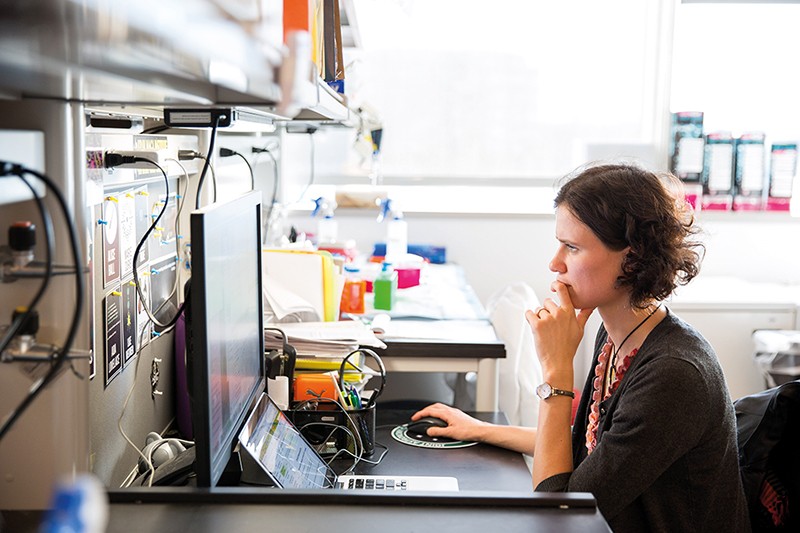
Egle Cekanaviciute sits at her lab desk working with her computer

Egle Cekanaviciute sits at her lab desk working with her computer

Neuroscientist Egle Cekanaviciute found that people with multiple sclerosis have different gut microbiomes from those without the disease.Credit: Susan Merrell/UCSF

For Gregg Silverman, a rheumatologist at New York University, the day a women he was treating for lupus was visited by her identical twin sister was a watershed moment. The sister was a picture of health, with a one-year-old child in her arms. Silverman's patient, meanwhile, was receiving kidney dialysis and, despite his best efforts, her condition was getting worse. "Genetics was not going to explain this difference," says Silverman. The revelation launched him on a decades-long quest to seek out other factors that drive the puzzling autoimmune disease.

Researchers investigating other autoimmune diseases have also been looking beyond genetics. In the case of type 1 diabetes, the epidemiological evidence for doing so is overwhelming, says Jayne Danska, a geneticist at the Hospital for Sick Children in Toronto, Canada. Genetics "doesn't explain why the incidence of the disease has been rising over the last 50 years in many different countries — and it doesn't explain why the age of onset is becoming progressively earlier", she says.

Many events, including viral infections and certain foods, have long been suspected of helping to trigger autoimmune diseases, in which the body attacks its own cells. But over the past decade, new suspects have emerged — the trillions of microbes inhabiting the digestive tract. Scientists have now implicated the gut microbiome in numerous autoimmune conditions, including lupus, type 1 diabetes, rheumatoid arthritis and multiple sclerosis.

For example, in 2017, researchers at the University of California, San Francisco, compared the gut microbiomes of people with multiple sclerosis with those of healthy volunteers. This study, led by geneticist Sergio Baranzini and neuroscientist Egle Cekanaviciute, found that many bacterial species were present in very different quantities in the two groups1. This research "not only identified differences in microbial communities, but actually showed that they had physiological significance in a human immune-cell experimental system", says Cekanaviciute, who now studies microbiome health effects at NASA's Ames Research Center in Moffett Field, California.

When two species that were more abundant in people with multiple sclerosis were incubated in human blood cells in vitro, the cells' inflammatory responses climbed. Another bacterial species, whose levels were depressed in people with multiple sclerosis, stimulated anti-inflammatory cells. And when the investigators transferred a microbiome from a person with multiple sclerosis into germ-free mice (those reared to be devoid of microorganisms), "these mice got a lot sicker than mice receiving a healthy human microbiome", says Baranzini.

Scientists are trying to understand the mechanisms behind the apparent ability of the gut microbiota to trigger or to sustain autoimmune conditions. They hope to turn that knowledge into better therapies for conditions that are currently difficult to treat — perhaps even in the form of simple probiotic pills.

Molecular mimicry

Autoimmune diseases are often traced, in part, to alterations in the human leukocyte antigen (HLA) gene complex, a cornerstone of the adaptive immune system, which recognizes and remembers specific pathogens. HLA genes express proteins that present antigens to our immune system's T and B cells. The immune cells then spot and attack dangerous intruders carrying those antigen flags. T cells and B cells are selected out to ignore the body's own cells but in autoimmune diseases this doesn't happen.

Although most T cells are trained in the thymus to ignore 'self' proteins, some are trained in the gut. "Given all the different environmental factors that come in contact with the gut, you need a lot of immune tolerance there," explains Marika Falcone, an immunologist at IRCCS Ospedale San Raffaele in Milan, Italy.

Micrograph of a spinal cord affected by multiple sclerosis

Micrograph of a spinal cord affected by multiple sclerosis

Micrograph of a spinal cord affected by multiple sclerosis.Credit: Riccardo Cassiani-Ingoni/SPL

Experiments in colonizing germ-free mice with specific microbes in the gut have shown that the effects are broadcast throughout the immune system, Danska says. In turn, the immune system in the gut affects the microbes there. Biologists are exploring various routes by which the gut microbiome might help to stimulate or stop immune pro-inflammatory responses — driven either by the bacteria themselves, or by the metabolites they produce, the immune cells they train, or another mechanism.

One line of enquiry is whether the enormous genetic variation between microbes leads to immune cells becoming confused as to what is foreign and what is self. A meta-analysis that examined 3,665 human samples identified more than 22 million gut microbiome genes2. The proteins produced by these genes are scrutinized by the immune system, and, overwhelmingly, found to be harmless or easily handled.

But sometimes microbial proteins that alarm immune cells contain fragments that closely resemble those of normal human proteins. With roughly a hundred times as many genes in our individual microbiomes as in our own genomes, there's a high likelihood of similarities, says Martin Kriegel, an immunobiologist at Yale University in New Haven, Connecticut. The result, so the theory goes, is that this starts to teach the immune system to recognize human proteins as signs of a threat. In such cases of molecular mimicry, "the immune system gets confused", says Baranzini. "It starts reacting against the bacteria. And then it ends up reacting against our own self proteins."

Kriegel and his colleagues demonstrated a molecular mimicry response in cells from people with lupus using a bacterial protein very similar to the human protein Ro603. Molecular mimicry could also be at work in rheumatoid arthritis — peptides produced by gut bacteria such as Prevotella closely resemble human peptides presented to the immune system in the joints of people with the condition. In a 2017 study4, immune reactions to the microbial peptides corresponded with those of the matching host peptides, "which was a pretty strong signal", says Allen Steere, a rheumatologist at Massachusetts General Hospital in Boston and an author of the study.

Gut to go

If gut microbiota do confuse the immune system, the question remains of how such autoimmune effects spread from the gut. In some cases, specific cells are affected, such as nerve cells in multiple sclerosis, and pancreatic β-cells in type 1 diabetes. In lupus and rheumatoid arthritis, autoimmunity occurs across multiple organs.

Steere and his colleagues found evidence of Prevotella DNA in the joints of some people with rheumatoid arthritis4. That finding, Steere says, suggests that either the bacteria themselves, or bacterial remnants carried by immune cells, can get into joints.

In the case of multiple sclerosis, "I don't think the bacteria move, but their metabolites do," says Patrizia Casaccia, a neuroscientist at the City University of New York. She notes that the metabolites might signal through the vagus nerve, which transmits messages from the gut to the brain. In some cases, bacteria themselves have been found in affected organs — such as in the pancreas in type 1 diabetes.

Kriegel and his team showed that in mice predisposed to a lupus-like condition, Enterococcus gallinarum bacteria move out of the gut to other organs, including the liver, where they set off an immune cascade that leads to lupus5. The investigators also identified similar biological pathways in human liver cells. Most importantly, Kriegel says, the bacteria were found in most liver biopsies from people with lupus — but not in those from healthy people. His team also showed that either antibiotic treatment or a vaccine against E. gallinarum prevented autoimmunity developing in mice. "One could already envision a potential future therapy targeted against these bugs that cross the gut barrier," Kriegel says.

Microbes in the clinic

Reports about faecal matter transplants (FMTs) or probiotic pills have given people with immune conditions hope that there could be an easy way to prevent or treat their disease. Scientists share this desire, but warn that clinical research has barely begun.

For multiple sclerosis, for example, treatment might eventually "be as simple as a targeted dietary intervention that will shift the community from pro-inflammatory bacteria to more anti-inflammatory types", says Baranzini. In one possible step towards this goal, his team is running a small phase I clinical trial of FMT to assess safety and side effects.

Casaccia emphasizes the importance of proceeding with caution. "We want to understand the rules that regulate the bacterial society in the gut," she says. "Maybe we can develop a combination of healthy probiotics and prebiotics to support the growth of the beneficial bacteria, and perhaps dietary manipulation might contribute to that," she says. "But I'm not sure we are there yet."

Researchers do see major progress. "The enormous effort that's been spent over the last 20 years using different kinds of tools in the box is really beginning to bear fruit," says Danska. Her team has built a platform to identify antibacterial antibodies in blood. Analysing samples from children at high risk of type 1 diabetes, the platform revealed important clues about who would develop the disease6.

Danska hopes that better knowledge about the gut microbiome, especially during the first 3 years of life, will lead to disease-preventing interventions. Those might include giving babies well-defined compositions of microbes, so that a child's immune system "develops with optimal tolerance to self without sacrificing their ability to fight infection", she says. "That's the kind of therapy that could have global impact because bugs are cheap. If we can come up with defined compositions of microbes in a gummy bear — now we're talking!"

Leave a comment

FDA Approves Eli Lilly's and Boehringer Ingelheim Pharmaceuticals' Triple-Combination Diabetes Drug Trijardy XR

On Monday, the Food and Drug Administration approved Trijardy XR, a combination treatment that contains three drugs already approved for type 2 diabetes: Jardiance, Tradjenta, and the generic drug metformin.

Eli Lilly (NYSE:LLY) and its partner, Germany-based Boehringer Ingelheim Pharmaceuticals, will market the drug, as they do Jardiance and Tradjenta. The companies formed a strategic alliance in 2011 that brought their diabetes pipelines together.

Boehringer Ingelheim arguably brought more to the deal -- it owned both Jardiance and Tradjenta -- while Eli Lilly initially made an upfront payment to its new ally to even out the alliance.

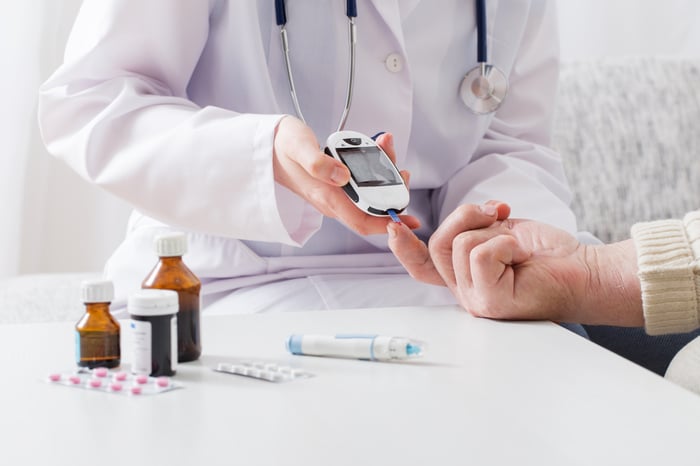
Doctor taking a blood glucose reading with medication on a table

Image source: Getty Images.

On the surface, Trijardy XR is simply designed for convenience since the healthcare companies aren't making any claims about how well the triple combination works. The FDA approval was based on two clinical trials that showed the single pill produced an equivalent effect to taking the three individual pills for healthy volunteers.

But both Jardiance, which is an SGLT2 inhibitor, and Tradjenta, which inhibits DPP-4, are in competitive drug classes -- multiple other treatments use the same mechanisms of action. Merck, for instance, sells SGLT2 inhibitor Steglatro and DPP-4 inhibitor Januvia. AstraZeneca markets SGLT2 inhibitor Farxiga and DPP-4 inhibitor Onglyza.

This triple-combination pill could help keep competition at bay and encourage diabetes patients to stay in the Eli Lilly/Boehringer Ingelheim family when their doctors want to add drugs in additional classes to their regimens. In fact, the companies already sell pills that pair each of the available double combinations -- Synjardy (Jardiance and metformin), Glyxambi (Jardiance and Tradjenta), and Jentadueto (Tradjenta and metformin) -- facilitating the progression from a single drug to two drugs, and eventually to Trijardy XR.

Leave a comment

Low BMI, presence of diabetes affect TB treatment outcomes

Low BMI was significantly associated with an increased risk for adverse treatment outcomes in patients with tuberculosis, although comorbid diabetes resulted in "unexpectedly" better outcomes for these patients, according to a study in a South Indian cohort.

"The study was initiated in response to a request for proposals to create the RePORT India consortium," Hardy Kornfeld, MD, professor in the department of medicine at the University of Massachusetts, told Healio. "The rationale was that nearly all the studies of TB-diabetes comorbidity at the time — approximately 7 years ago — were retrospective in nature, had imprecise clinical definitions for diabetes mellitus, such as reported history, and were not conducted in India, which has the highest number of people living with the combined diseases."

Patients in the study were newly diagnosed with culture-positive pulmonary TB and had either diabetes mellitus or normal glucose tolerance. Kornfeld and colleagues measured baseline TB severity, sputum conversion and treatment outcomes, including cure, failure, death or lost to followup, and compared these results between groups, with respect to glycemic status and BMI. Patients were followed over 6 months of TB treatment.

The cohort included 389 participants — 256 with diabetes and 133 with normal glucose tolerance.

Low BMI (<18.5 kg/m2) was more common in participants without diabetes (n = 99; 74.4%) than in those with diabetes (n = 85; 33.2%). Patients with low BMI had the highest radiographic severity of disease, the longest time to sputum culture conversion and the highest rates of treatment failure and death. However, poorly controlled diabetes "unexpectedly" correlated with better TB treatment outcomes in patients with low BMI.

"The mechanism of the protective effect associated with diabetes mellitus in individuals with a low BMI is presently unknown," Kornfeld said. "However, it might fit with a previously described medical hypothesis that states that the tendency to develop diabetes mellitus in the South Asian population was an evolutionary response to maintain an energy reserve to fight chronic infectious diseases in the pre-antibiotic era."

Rates of cure, treatment failure or death did not vary by glycemic status for participants with a normal or high BMI.

"It is reasonable to suggest that monitoring during and after TB treatment should be intensified in individuals with a low BMI in an effort to ensure successful treatment and the avoidance, or at least early detection, of recurrent TB," Kornfeld concluded. "Given the evidence that TB drives diabetes mellitus complication pathways, it would be prudent to implement measures that reduce cardiovascular disease risk." – by Caitlyn Stulpin

Disclosure: Kornfeld reports no relevant financial disclosures.

Leave a comment

Managing and Understanding Medications for Diabetes Care

Sponsored Content by Licking Memorial Health Systems

As with most serious health conditions, medications play a key role in diabetes treatment.

We discuss how Licking Memorial goes the extra step to make sure patients are confident with understanding and managing their medications.

WEBSITE: Licking Memorial Health Systems

Leave a comment

Acceptance-based therapy: the potential to augment behavioral interventions in the treatment of type 2 diabetes

One newer approach that has received considerable attention is acceptance-based interventions. Acceptance-based interventions build upon the behavioral skills used in traditional lifestyle programs by adding components derived from acceptance and commitment therapy (ACT). ACT has been described as a “third wave” behavioral therapy, following the “first wave” of initial behaviorism and the “second wave” of CBT20. As a larger therapeutic approach, ACT attempts to increase individuals’ “psychological flexibility,” or their ability to engage in behaviors consistent with their values despite uncomfortable thoughts, feelings, or cravings26. Core processes in ACT include the clarification of life “values” (e.g., why an individual would choose to engage in a target behavior) and building willingness to experience negative thoughts, emotions, and sensations in order to engage in behaviors consistent with those values.

In contrast to CBT approaches, ACT does not teach individuals to identify and change irrational or maladaptive thoughts; rather, the focus of ACT is on changing how an individual relates to these thoughts and feelings26. For example, someone who is trying to increase his or her physical activity may avoid exercising at a gym because this person worries about being judged by other patrons. In a CBT approach, this person would be encouraged to challenge or change that thought in order to go to the gym (e.g., considering “What is the worst that could happen?” “What are the odds that would actually happen?”). In contrast, in an ACT-based approach, this person would be taught acceptance skills that would encourage them to go to the gym to exercise even if they feel uncomfortable. The novelty and success of ACT-based interventions lie in its focus on self-regulation skills and its potential broad effectiveness across diverse populations27. Further, ACT has proven suc cessful for treating individuals for diverse medical and behavioral issues including chronic pain, substance abuse, high-risk sexual behavior, anorexia among adolescent females, and depression28,29,30,31,32,33,34.

In adults with type 2 diabetes, only two studies have examined the efficacy of ACT relative to a control group for improving diabetes self-management behaviors and glycemic control. In one study, Gregg and colleagues randomized 81 adults with type 2 diabetes to one of two 7-h intervention workshops:1 diabetes education alone or2 combined diabetes education plus ACT35. Adults in the combined diabetes education plus ACT intervention were more likely to use ACT-based coping strategies, reported better diabetes self-care (including exercise, diet, and glucose monitoring), and showed a greater mean decrease in A1c. The ACT plus diabetes education condition also had a higher percentage of individuals with an A1c < 7.0 compared to adults in the diabetes education only group. Improvements in A1c from baseline to follow-up were mediated by participants’ use of acceptance-based coping and engagement in diabetes self-management behaviors. In the second study, Shayeghian and colleagues randomized 106 adults with type 2 diabetes to a diabetes education only condition or a diabetes education plus ACT intervention36. The diabetes education plus ACT intervention consisted of ten sessions over a three-month period, while adults in the diabetes education only group participated in a 2-h workshop on diabetes control36. At three months post-baseline, adults in the ACT intervention showed greater improvements in A1c and diabetes self-care activities (including exercise, diet, glucose monitoring, medication adherence, cigarette smoking, and foot care) relative to those in the control condition.

One promising direction for lifestyle modification is to take key elements of ACT and integrate them into evidence-based SBT weight management treatments (SBT + ACT). Researchers and practitioners are typically intentional in referring to this approach as “acceptance-based behavioral treatment” (ABT) rather than “acceptance and commitment therapy” (ACT) for two reasons: this language acknowledges the importance of retaining traditional behavioral components such as goal setting and self-regulation found in SBT, and also reflects that ABT interventions may not utilize all elements typically delivered in ACT. Traditional behavioral interventions (e.g., the DPP lifestyle intervention) have elements that are likely critical for maximizing changes in weight, eating behaviors, and physical activity, which can all significantly benefit weight loss and blood glucose control. Teaching ACT skills without these elements would likely compromise efficacy (and woul d be impractical, as ACT is at its core a behavioral treatment that incorporates behavioral targets). Thus, ABT often retains core behavioral components of traditional SBTs, including: use of structured goals for reducing caloric intake and increasing physical activity; regular self-monitoring of weight, eating, and physical activity; monitoring of weight and these self-monitoring records by a treatment provider to provide feedback, support, and to enhance supportive accountability37; and additional behavioral skills training such as goal setting, problem solving, and stimulus control. Cognitive restructuring and other CBT-based techniques designed to help individuals manage negative internal experiences are not retained, however, as ABT focuses on changing relationships with internal experiences rather than changing the experience itself. In the version of ABT that has been most extensively researched to date38, the ACT strategies that are integrated into the intervention are accep tance of uncomfortable states and emotions, increasing commitment to valued goals, and aligning your values with your actions. In addition, cognitive defusion is included but in a modified format, as other forms of internal experience, especially hedonic drive are thought to be as important as cognitive activity. For those familiar with ACT, it is important to note that other ACT strategies, such as self as process and self as context, receive less attention.

Two randomized controlled trials (RCTs) have demonstrated significantly greater weight losses for ABT compared to SBT39,40. The Mind Your Health Project, a 40-week RCT comparing ABT to SBT, demonstrated that ABT resulted in significantly higher weight loss than SBT at post-treatment (13.2 vs. 7.5%) and at 6-month follow-up (11.0 vs. 5.0%) in a post-hoc analysis when the intervention was administered by weight-control experts41. Similarly, the Mind Your Health II Project (MYH II), a larger and longer (1 year) RCT, demonstrated that ABT produced greater 12-month weight loss than did the SBT treatment (13.3 vs. 9.8%), again when conducted by experienced clinicians39. In the long-term post-treatment follow-up data from MYH II40, weight loss at 24-months (7.5 vs. 5.6%; P = 0.15) or at 36 months (4.7 vs. 3.3%; P = 0.31) did not significantly differ between ABT and SBT groups. However, among treatment completers who attained at least 10% body weight loss during the in tervention, those receiving ABT were almost twice as likely to retain at least 10% body weight loss at two-year follow-up (31.6 vs. 17.1%; P = 0.04). Importantly, another study showed that ABT’s effectiveness for weight loss did not differ by race, sex, or education27.

Lillis and colleagues compared an ABT intervention to SBT in adults with both overweight/obesity and high internal disinhibition (the tendency to overeat in negative emotional states), given that these individuals have poorer outcomes in typical weight management trials42. While there was no difference in initial weight loss between the ABT and SBT groups43, ABT appeared superior on other dimensions: participants in the ABT group regained less weight at 24-month follow-up than those in the SBT condition (4.6 vs. 7.1 kg) and were significantly more likely to achieve at least 5% total body weight loss at 24-months (38 vs. 25%).

Other interesting variants of ABT are currently being explored. For example, a recent pilot study examined remote delivery of ABT to bariatric surgery patients that experienced postoperative weight regain, finding initial support for the feasibility, acceptability, and preliminary efficacy of this intervention44.

Leave a comment

Researchers obtain 'high-definition' view of diabetes-related proteins

Scientists have examined a key receptor for the first time at high resolution—broadening understanding of how it might function, and opening the door to future improvements in treating conditions such as type 2 diabetes.

Glucagon-like peptide-1 receptors (GLP1R) are found on insulin-producing beta cells of the pancreas and neurons in the brain. The receptor encourages the pancreas to release more insulin, stops the liver from producing too much glucose, and reduces appetite. This combination of effects can helps to control blood sugar levels.

As such, GLP1R has become a significant target for the treatment of type 2 diabetes, and a range of drugs are now available that are based on it. But much remains unknown about GLP1R function because its small size makes it difficult to visualise.

An international group of scientists led by experts at the University of Birmingham and the Max Planck Institute for Medical Research, Heidelberg, have now conducted a detailed examination of the receptor in living cells.

Researchers used a number of techniques—including synthesis of marker compounds, immunostaining, super-resolution microscopy, as well as 'in vivo' examination of mice. They were able to label GLP1R with their developed fluorescent probes so as to show its location in the cells and its response to signal molecules.

Publishing their findings in Nature Communications, the researchers—who were partly funded by Diabetes UK—note that they now provide a comprehensively tested and unique GLP1R detection toolbox, which has updated our view of this receptor, with implications for the treatment of conditions such as obesity and type 2 diabetes.

David Hodson, Professor of Cellular Metabolism, at the University of Birmingham, commented: "Our research allows us to visualise this key receptor in much more detail than before. Think about watching a movie in standard definition versus 4k, that's how big the difference is. We believe this breakthrough will give us a much greater understanding of GLP1R distribution and function. Whilst this will not immediately change treatment for patients, it might influence how we design drugs in the future."

Johannes Broichhagen, Departmental Group Leader of the Max-Planck Institute for Medical Research, commented: "Our experiments, made possible by combining expertise in chemistry and cell biology, will improve our understanding of GLP1R in the pancreas and the brain. Our new tools have been used in stem cells and in the living animal to visualize this important receptor, and we provide the first super-resolution characterisation of a class B GPCR. Importantly, our results suggest a degree of complexity not readily appreciated with previous approaches."

Dr. Elizabeth Robertson, Director of Research at Diabetes UK commented: "The effects of type 2 diabetes are serious and widespread, so finding more effective treatments to help people manage their condition and reduce their risk of its potentially devastating complications is absolutely vital.

"Through innovative research like this, we can get to grips with key aspects of type 2 diabetes in unprecedented detail, and blaze a trail towards better treatments."

GLP1R is a member of the so-called G protein-coupled receptors (GPCRs), which play a role in many of the body's functions. An increased understanding of how they work has greatly affected modern medicine, and today, it is estimated that between one-third and one-half of all marketed drugs act by binding to GPCRs.

More information: Super-resolution microscopy compatible fluorescent probes reveal endogenous glucagon-like peptide-1 receptor distribution and dynamics, Nature Communications (2020). DOI: 10.1038/s41467-020-14309-w

Citation: Researchers obtain 'high-definition' view of diabetes-related proteins (2020, January 24) retrieved 25 January 2020 from https://phys.org/news/2020-01-high-definition-view-diabetes-related-proteins.html

This document is subject to copyright. Apart from any fair dealing for the purpose of private study or research, no part may be reproduced without the written permission. The content is provided for information purposes only.

Leave a comment

Global Diabetes Monitor Market Insight & Future Assessment for the Period 2018- 2027|Medtronic, LifeScan Inc., Sanofi

Jan 24, 2020 (AmericaNewsHour) -- The global diabetes monitor market is segmented by sample into sweat, blood, urine and others; by product type into point sample test based glucose monitors, continuous glucose monitoring devices, self-monitoring devices, enzyme free sensor based glucose monitors; by components into glucose test strips, lancet and sensors; by end users into hospitals, diagnostic clinics and home. The diabetes monitoring equipment industry is primarily focusing on the geriatric and obese among other people who are having diabetes. Thus, various key players in the diabetes monitor industry are concentrating on the research and development activities in the field of diabetes monitoring and treatment, which in turn is anticipated to augment the growth of diabetes monitoring market.

The global diabetes monitor market is anticipated to expand at a significant CAGR during the forecast period i.e. 2019-2027. The market is observing a vibrant growth owing to the increase in the diabetic population across the globe. Further, the growing rate of geriatric and obese population are some of the factors that are expected to contribute significantly towards the growth of the market. Additionally, increasing technological advancements and higher investment by the government and other ruling bodies on research and development regarding diabetes control is anticipated to boost the market shares during the forecast period.

Download Sample of This Strategic Report @https://www.researchnester.com/sample-request-1352

Geographically, the global diabetes monitor market is segmented into five major regions including North America, Europe, Asia Pacific, Latin America and Middle East & Africa region. Among these regions, North America is anticipated to lead the market owing to large population of patients and high healthcare expenditure. As the prevalence of diabetes is increasing, governments and other organizations are actively participating to improve its treatment methods. Further, Europe is expected to hold the second position in the overall market of diabetes monitors due to higher investment in the research and development along with boom in technology advancement in the field of diabetes. Furthermore, Asia Pacific is also expected to show a faster growth on the back of growing number of diabetic patients and increasing technological innovations across the region.

Vibrant Growth of Diabetic Monitors Market

The increase in the geriatric population is contributing to the increase in the diabetic population across the world due to the hormonal changes and impaired glucose regulation that takes place as a person gets old over the years. Along with that, unhealthy lifestyle adopted by people across the globe is also contributing to the rise in world's diabetic population. Collectively, these factors are expected to hone the growth of the global diabetes monitor market during the forecast period. However, the diabetes monitoring devices are very expensive and not at all economical for most people as they need to be replaced after every 8-10 months. As it is not a financially viable option, the growth of the market might be negatively affected during the forecast period.

Further, for the in-depth analysis, the report encompasses the industry growth drivers, restraints, supply and demand risk, market attractiveness, BPS analysis and Porter's five force model.

Curious about this latest version of report? Obtain Report Details @https://www.researchnester.com/reports/diabetes-monitors-market/1352

This report also provides the existing competitive scenario of some of the key players of the global diabetes monitors market which includes company profiling F. Hoffmann-La Roche Ltd., Medtronic, LifeScan Inc., Sanofi, Dexcom Inc. Abbott Laboratories, B. Braun Melsungen, Nova Biomedical, Novo Nordisk A/S and Terumo Corporation.The profiling enfolds key information of the companies which encompasses business overview, products and services, key financials and recent news and developments. On the whole, the report depicts detailed overview of the global diabetes monitors market that will help industry consultants, equipment manufacturers, existing players searching for expansion opportunities, new players searching possibilities and other stakeholders to align their market centric strategies according to the ongoing and expected trends in the future.     

About Research Nester

Research Nester is a leading service provider for strategic market research and consulting. We aim to provide unbiased, unparalleled market insights and industry analysis to help industries, conglomerates and executives to take wise decisions for their future marketing strategy, expansion and investment etc. We believe every business can expand to its new horizon, provided a right guidance at a right time is available through strategic minds. Our out of box thinking helps our clients to take wise decision so as to avoid future uncertainties.

Contact Us

AJ DanielEmail: sales@researchnester.comU.S. Phone: [+1 646 586 9123]U.K. Phone: [+44 203 608 591]

The post Global Diabetes Monitor Market Insight & Future Assessment for the Period 2018- 2027|Medtronic, LifeScan Inc., Sanofi appeared first on America News Hour.

COMTEX_360993723/2606/2020-01-24T06:39:27

Leave a comment

Cell research offers diabetes treatment hope

A new cell treatment to enhance islet transplantation could help maintain healthy blood sugar levels in Type 1 diabetes without the need for multiple transplants of insulin producing cells or regular insulin injections, research suggests.

In Type 1 diabetes the insulin-producing cells of the pancreas are destroyed. Insulin injections maintain health but blood glucose levels can be difficult to control. Currently in the UK it is estimated that approximately 400,000 people in the UK have type 1 diabetes.

Controlling glucose

The current recommendation for people with type 1 diabetes who have lost awareness of low blood glucose levels is the transplantation of islets—the insulin producing part of the pancreas.

A study in mice found that transplanting a combination of islets with connective tissue cells found in umbilical cords—known as stromal cells—could potentially reduce the number of pancreases required for the procedure.

Mice that received the islet-stromal cell combination were found to have better control of blood glucose and less evidence of rejection of islets after seven weeks, compared to those that received islets alone.

Donor pancreases

In humans, more than two donor pancreases, which are scarce, are often needed because islets can be rejected and are slow to form new blood supplies.

Therefore multiple islet transplantations and anti-rejection medication are required to control blood sugar levels in people with Type 1 diabetes. Scientists at the University of Edinburgh hope their findings could be a way of overcoming these issues.

Cell transplantation

The researchers found that islets combined with stromal cells successfully returned normal blood glucose levels just three days after transplantation.

Other studies have used cells sourced from bone marrow and fat. This is the first to use stem cells from umbilical cords and has produced superior results.

The research is published in the journal Science Translational Medicine and funded by Chief Scientist Office in Scotland and Diabetes UK.

"Should this research prove successful in humans, we could reduce the number of islets needed to control blood sugar levels using this co-transplantation approach. This would mean more people with Type 1 diabetes could be treated using islet transplantation while significantly reducing the waiting time on the transplant list," says Shareen Forbes, professor of diabetic medicine at the University of Edinburgh and Lead Physician for the Islet Transplant Programme in Scotland.

John Campbell, Professor and Associate Director Tissues, Cells & Advanced Therapeutics at the Scottish National Blood Transfusion Service has said that further work is needed to establish the long term safety of using this type of stromal cell in this setting before proceeding to clinical trials in humans.

"Islet transplants have been life changing for some people with Type 1 diabetes, treating dangerous hypo unawareness. But there currently aren't enough donated pancreases to go around, and the procedure itself isn't yet as effective as it could be. This new research from the University of Edinburgh is a promising step forward, and one we hope will lead to islet transplants becoming both more effective and more widely available in the future," says Dr. Elizabeth Robertson, director of research at Diabetes UK.

More information: Shareen Forbes et al. Human umbilical cord perivascular cells improve human pancreatic islet transplant function by increasing vascularization, Science Translational Medicine (2020). DOI: 10.1126/scitranslmed.aan5907

Citation: Cell research offers diabetes treatment hope (2020, January 17) retrieved 24 January 2020 from https://medicalxpress.com/news/2020-01-cell-diabetes-treatment.html

This document is subject to copyright. Apart from any fair dealing for the purpose of private study or research, no part may be reproduced without the written permission. The content is provided for information purposes only.

Leave a comment

Diabetes prediction tool overestimates risk and creates unnecessary anxiety

The FINDRISC questionnaire has been used extensively to predict a person's degree of risk for getting type 2 diabetes, but new findings show that it does not adequately identify the most vulnerable individuals.

Type 2 diabetes is caused by lifestyle and genes. People who don't exercise, or who are overweight or obese, are among those at increased risk.

The Finnish Diabetes Risk Score, or FINDRISC, is a recommended tool for checking how at risk a person may be for developing type 2 diabetes. The questionnaire asks patients about their lifestyle, body measurements, and their own and their family's medical history.

"The results are far less useful for predicting whether someone will develop diabetes over the next ten years than we thought," says Anne Jølle, a specialist in general medicine at NTNU's Department of Social Medicine and Nursing.

The diabetes tool overestimates risk, making it more difficult to screen for the individuals who actually need help. It can also create unnecessary anxiety.

Jølle is the first author of a new study published in Open Diabetes Research & Care.

The new research shows that FINDRISC results cannot be relied on as they are currently used. Today's practices are based on a study from the 1990s. Research from NTNU and St. Olavs hospital shows that as the tool is used now, it is not working properly.

Overestimates and poor screening

"We're finding that the actual risk of developing diabetes among people with elevated FINDRISC scores is only half as high as we thought. The tool is also poorly suited for identifying the individuals at highest risk," says Jølle.

She says that previously, on a scale of 0-26, it was thought that people who scored 15 or higher had at least a 30 percent risk of developing type 2 diabetes over the next 10 years.

"But our findings show that the risk of developing type 2 diabetes over the next 10 years is only about 15 percent, or half of what we thought, for people with that score," says Jølle.

Tracked 47,804 people for 10 years

The research group at NTNU followed 47,804 people who had no diabetes diagnosis at the outset of the study.

The participants were all age 20 or older when they participated in the large HUNT3 study from 2006 to 2008. HUNT (The Nord-Trøndelag Health Study) has collected health information about people in Trøndelag county since the 1980s, and their data are now widely used in longitudinal studies.

The researchers compared the health data used from the HUNT database with information from the Norwegian Prescription Database to see if participants had received medication to lower their blood glucose levels over a 10-year period. If they had, they were considered to have type 2 diabetes.

No practical screening

"We could have chosen to say instead that everyone with a FINDRISC score of 11 or higher had an increased risk of developing type 2 diabetes in the next 10 years," says last author and Professor Bjørn Olav Åsvold of HUNT.

That approach might have allowed researchers to capture as many as three out of four people who would develop diabetes over the next ten years. However, one out of every three Norwegians would have then potentially ended up in a group interpreted to be at increased risk, and only one in 10 in this group would actually develop diabetes over the next ten years.

This is not a particularly practical screening method to identify high-risk individuals. Nor is it helpful for accurately identifying who should be advised to participate in prevention programs.

No point without preventive measures

"The point of calculating type 2 diabetes risk is to identify the individuals who are at highest risk, so that they can be invited to take effective preventive measures," says Åsvold.

The Norwegian Directorate for Health and Social Affairs recommends "structured intensive lifestyle intervention" measures. This means varied, interdisciplinary treatment that should be preventive. It usually consists of physical activity, exercise, dietary changes and behavioral therapy.

"Monitoring people at high risk of developing diabetes is challenging. It requires personnel and time that the primary health service can't provide the way it's organized today. What we recommend is follow-up with patients for longer than six months, several times a week," says Jølle.

The recommendation is based on establishing local group-based, low-threshold services in communities. The GP should refer patients to these groups, which currently go by the name Frisklivssentraler (Healthy Life Centres), but they can also consist of other types of group programs. Several studies show that the onset and progression of type 2 diabetes can be delayed with this type of intervention. This is exactly what is recommended in Norway.

Unnecessary worry and improper selection

"Two problems in that the way FINDRISC is used today are that it overestimates risk, causing anxiety for lots of people who aren't really at risk, and it identifies the wrong individuals. What this means is that most of the people who need follow-up don't get it, making the screening completely pointless," says Jølle.

So far, there has been little research to see if FINDRISC does what it promised. Maybe it's been taken for granted that you could trust it.

"What looks intuitively correct needs to also be documented with research results if measures are to be implemented as part of knowledge-based practice. In my opinion, the Norwegian Directorate for Health's guidelines regarding screening for type 2 diabetes should be changed," says Jølle.

Better tools needed

"This is an important study that puts risk assessment and prevention of type 2 diabetes on the agenda," says Kåre I. Birkeland, a professor in the Institute of Clinical Medicine at the University of Oslo.

Birkeland also heads the Medical Council for the Norwegian Diabetes Association.

"The study calls attention to interesting new aspects. It points out the need for better tools than FINDRISC to identify at-risk individuals for type 2 diabetes who require special preventive measures," he says.

Birkeland doesn't find it surprising that the study results are different in a cohort identified in Norway from 2006 to 2008 that were followed for 10 years after that, as compared to conditions in Finland 10 to 15 years earlier.

"We know that the incidence of diabetes has risen sharply in that period, and the way we diagnose diabetes today is completely different. As the authors also comment in the article, the use of HbA1c test has made diagnosis much easier for general practitioners, and has also changed the population being diagnosed," he says.

Given this background, Birkeland finds it somewhat surprising that this study did not show a higher 10-year incidence of diabetes than was found in Finland 10-15 years earlier.

The treatment of diabetes today is also very different, since the number and types of available medication have increased significantly. This factor also affects the findings, as the incidence of diabetes was assessed based on who used diabetes medication.

"I hope the findings will stimulate researchers to develop new and better models for finding high-risk individuals for type 2 diabetes, as well as identifying protective factors. Maybe based on the results from the HUNT4 study?" says Birkeland.

Health policy

Turid G. Spilling, Head of Communications in the Diabetes Association, agrees. "This is an important HUNT study on a tool we've been using for almost 20 years," she says.

Spilling points out that both national and historical differences mean that FINDRISC may not have the same ability to predict diabetes in Norway in the 2000s as in Finland in the 1980s.

The results from HUNT also show the importance of major epidemiological studies that can capture changes important to our health. In this context it would be particularly useful to have a national diabetes register.

"Now it's important to get the results from HUNT put on the health policy agenda, so that we have better tools for detecting type 2 diabetes early. That way, more people can get help sooner, and we can prevent having a lot of people develop serious complications later," says Spilling.

More information: Anne Jølle et al. Validity of the FINDRISC as a prediction tool for diabetes in a contemporary Norwegian population: a 10-year follow-up of the HUNT study, BMJ Open Diabetes Research & Care (2019). DOI: 10.1136/bmjdrc-2019-000769

Citation: Diabetes prediction tool overestimates risk and creates unnecessary anxiety (2020, January 21) retrieved 21 January 2020 from https://medicalxpress.com/news/2020-01-diabetes-tool-overestimates-unnecessary-anxiety.html

This document is subject to copyright. Apart from any fair dealing for the purpose of private study or research, no part may be reproduced without the written permission. The content is provided for information purposes only.

Leave a comment

How Close Is a Cure for Diabetes?

As you were browsing www.oprah.com something about your browser made us think you were a bot. There are a few reasons this might happen:

  • You're a power user moving through this website with super-human speed.
  • You've disabled JavaScript in your web browser.
  • A third-party browser plugin, such as Ghostery or NoScript, is preventing JavaScript from running. Additional information is available in this support article.
  • To request an unblock, please fill out the form below and we will review it as soon as possible.

    Leave a comment

    Oviva Secures $21 Million For Digital Diabetes Treatment

    Oviva, Jan 2020.

    Oviva

    Digital health firm Oviva is planning to roll out its digital diabetes treatment across Europe after securing $21 million of investment.

    The Series B round was led by Swiss growth investment firm MTIP, along with new investor Earlybird and existing backers such as AlbionVC, F-Prime Capital, Eight Roads Ventures and Partech.

    Based in London, Oviva has developed an evidence-based digital solution that aims to reverse type 2 diabetes. The firm will use this investment to "further develop" its technology and "expand in Europe to serve the millions of patients not accessing treatment today."

    Lucy Jones, clinical director of Oviva, said: "First, we will invest the funds in building the next generation of our technology to even better support patients. Second, we will invest in further expanding our reach geographically in Europe."

    Founded in 2014 by a team of medical and technology professionals, Oviva wanted to create a technological solution that could provide effective and tailored diabetes treatment within national guidelines.

    Oviva's smartphone app offers patients tailored nutrition advice and coaching after they record details about their diet, weight, activity and symptoms. According to the company, its solution has "demonstrated higher patient uptake, retention and outcomes at lower costs compared to face-to-face therapy."

    Jones continued: "Patients use a smartphone app to log everything about their behavior and symptoms (food images, activity, blood sugar, etc.), communicate with peers and their therapist and educate themselves on their disease and healthy behaviours.

    "They can also connect wearable trackers or a weight scale to automatically collect information.The therapists work with a web-based patient record and management system where all the information from the patients is available."

    The app has been designed to benefit both patients and healthcare practitioners. "For patients, we help them change their behaviours, especially supporting them adopt a healthier diet or one more fitting to their condition," said Jones.

    "Treatment can also be delivered at a higher frequency and with more information for targeted coaching and also more efficiently, than with face-to-face treatment." 

    As for healthcare professionals, she explained: "Finally, by delivering our care digitally and remotely, we help doctors better manage chronic conditions for their patients, avoiding damaging and costly complications."

    Following the investment, Christoph Kausch from MTIP and Rainer Christine from Earlybird have both joined Oviva's board of directors. 

    Christoph Ruedig, partner at AlbionV, added: "Despite compelling evidence that digital treatments improve patient access and outcomes significantly while reducing costs for health systems, Europe is investing a fraction compared to the US in this area. We're excited to continue to support Oviva's accelerated roll out across Europe."

    Leave a comment

    Endocrine Society awards Baxter Prize to diabetes treatment entrepreneur

    IMAGE: This is Dr. Daniel J. Drucker, M.D., of the Lunenfeld-Tanenbaum Research Institute, Mount Sinai Hospital, Toronto. view more 

    Credit: Endocrine Society

    Researcher Daniel J. Drucker has been awarded the Endocrine Society's John D. Baxter Prize for Entrepreneurship for his contributions to diabetes treatment, the Society announced today.

    Drucker's research has contributed greatly to the understanding and treatment of diabetes over the past 25 years. He discovered new mechanisms of hormone action enabling the development of drugs for patients with type 2 diabetes that simplify treatment and reduce the risk of hypoglycemia, which are dangerous episodes of low blood sugar. Some of these agents have recently been shown to reduce many cardiovascular complications of diabetes. He also discovered the actions of GLP-2 and developed the only therapy for patients with chronic short bowel syndrome, a rare and challenging condition that can lead to severe malnutrition and death.

    Drucker will receive the Baxter Prize at the Society's annual meeting ENDO 2020, the largest gathering in the world of endocrinologists and professionals working in hormone health. The $50,000 prize is awarded biennially to recognize scientists or healthcare practitioners who have demonstrated entrepreneurship by leveraging endocrine research to improve patient care. This is the second time the Society has awarded the Baxter Prize.

    "Dan Drucker's seminal work has profoundly shaped the current landscape of diabetes therapies, which are now impacting the lives of millions of patients with diabetes. Second, effective treatment for short-gut syndrome has improved the lives of thousands of patients with this condition" said Endocrine Society President E. Dale Abel, M.D., Ph.D., of the University of Iowa, Carver College of Medicine, Iowa City, Iowa. "It is important to not underestimate the impact of his pioneering work that has led to the development of two whole new classes of diabetes therapies that have improved the quality of patients' lives, reduced side effects and some of which importantly have been shown to prevent major cardiovascular complications such as heart attacks and strokes. We are thrilled to honor his numerous achievements."

    Drucker is currently a professor of medicine at the Lunenfeld Tanenbaum Research Institute of Mt. Sinai Hospital and the University of Toronto in Toronto, Canada. Drucker's laboratory studies the molecular biology and physiology of gut hormones, with a focus on the glucagon-like peptides. Drucker's scientific studies have identified multiple novel mechanisms of hormone action, enabling the development of new drug classes for diabetes, obesity and intestinal failure.

    A Fellow of the Royal Society, London, Drucker's discoveries have been recognized by numerous scientific and medical societies. He has been honored with the Endocrine Society's Clinical Investigator Award, the American Diabetes Association's Banting Award, the Claude Bernard Award from the European Foundation for the Study of Diabetes, the Manpei Suzuki International Prize, the Rolf Luft Award from the Karolinska Institute, and the Harrington Prize for Innovation in Medicine. He is the Editor-in-Chief of the peer-reviewed journal Endocrine Reviews.

    "I'm honored to be recognized by the Endocrine Society, and my success wouldn't have been possible without the support of my mentors and teammates," Drucker said. "I became an entrepreneur because of my passion for endocrine discovery and the potential to save lives by developing novel therapies. I am grateful for the prize, which will support my ongoing work and young investigators just setting out on the path of translational research."

    The Baxter Prize was established in memory of Endocrine Society Past President John D. Baxter, M.D., who was a world-renowned scientist known for being the first to clone the human growth hormone gene. During his career, he made many fundamental medical discoveries and translated them into clinical therapies that had far-reaching implications in the fields of biotechnology and genetic engineering, benefiting the health and welfare of patients worldwide. He passed away in 2011. The Baxter family endowed the prize in his memory.

    ENDO 2020 is taking place from March 28-31. More information on the meeting is available at https:/ / www. endocrine. org/ endo2020.

    ###

    Endocrinologists are at the core of solving the most pressing health problems of our time, from diabetes and obesity to infertility, bone health, and hormone-related cancers. The Endocrine Society is the world's oldest and largest organization of scientists devoted to hormone research and physicians who care for people with hormone-related conditions.

    The Society has more than 18,000 members, including scientists, physicians, educators, nurses and students in 122 countries. To learn more about the Society and the field of endocrinology, visit our site at http://www. endocrine. org. Follow us on Twitter at @TheEndoSociety and @EndoMedia.

    Disclaimer: AAAS and EurekAlert! are not responsible for the accuracy of news releases posted to EurekAlert! by contributing institutions or for the use of any information through the EurekAlert system.

    Leave a comment

    Hispanic Americans Hardest Hit by Diabetes

    A Hispanic female doctor is talking to her senior male patient during a home medical visit. She is showing him how to use a diabetes kit.

    Fat Camera/Getty Images

    Of the almost 30 million adults in the United States who have type 2 diabetes, it's no secret that African Americans are more likely to be affected: almost twice as much as Caucasians by middle age.

    What's been less clear? The prevalence of diabetes and prediabetes among Hispanics and Asian Americans. New findings covering five years of health data from the Centers for Disease Control and Prevention (CDC), published in the Journal of the American Medical Association (JAMA), now show that 22 percent of Hispanics and 19 percent of Asians in the U.S. have diabetes, compared with 20 percent of blacks and 12 percent of whites.

    "These are the first national estimates that include Hispanic and non-Hispanic Asian subgroups," says study coauthor Sharon Saydah, senior scientist in the Division of Diabetes Translation at the CDC.

    The study not only suggests that Hispanics have surpassed African Americans as the ethnic group with the highest rates of diabetes, it also offers a more nuanced picture of who specifically is at greatest risk within these communities. It turns out that not all Hispanics are at equal risk for developing type 2 diabetes; nor are all Asians. "There is considerable variation among the subgroups," Saydah says.

    Among Hispanics, those of Mexican and Puerto Rican descent face the highest risk, compared with those from Central or South American backgrounds. For example, 25 percent of Mexican American adults have diabetes, more than double the number of all those of South American descent with the disease.

    Among Asian Americans, 23 percent of those from India, Pakistan and other South Asian countries have diabetes, while only 14 percent of those of Chinese, Japanese and Korean descent do. The study does not explain the reasons for such differences among ethnic groups, although some experts suspect that cultural traditions affecting obesity may play a role.

    The hope is that these findings will help health care providers tailor their prevention and treatment strategies to better meet the needs of individual communities within these growing populations. (Collectively, Hispanics and Asians account for 23 percent of the overall population in the U.S.; that number is expected to jump to 38 percent by 2060, according to the U.S. Census Bureau.)

    Take weight, for example. Health care providers will typically look at your body mass index (BMI) to determine whether you're overweight or obese. For most people, that means a BMI of 25 or greater.

    But for Asian Americans, who may be at risk for diabetes even at a normal weight, a BMI of 23 or greater is considered overweight. The study also showed that Hispanics have a higher prevalence of undiagnosed diabetes, suggesting a potential lack of awareness about obesity and other risk factors.

    "Type 2 diabetes is one of the growing epidemics we have in this country — the other ones being obesity, heart disease, hypertension and high cholesterol," says Emily Nosova, M.D., a fellow in endocrinology at the Icahn School of Medicine at Mount Sinai in New York City.

    "That's something we need to be mindful of in the minority community because a lot of it is hereditary. As a medical and scientific community, we haven't quite pinpointed what those inherited traits are. But the fact there are so many relatives that have these conditions speaks to the fact that there is something familial underpinning this," Nosova adds.

    If you fall within one of the particularly high-risk subgroups, "talk to your primary care doctor or your specialist about being tested at an earlier age," she suggests. "Have a frank discussion with your health care specialist about your family history, diet and physical activity habits. Those three things are most important in your overall risk for type 2 diabetes."

    Beyond having a family history of diabetes, being overweight or being physically active less than three times a week, other important risk factors include being older than 45 or having a history of gestational diabetes (diabetes during pregnancy).

    Whatever your ethnic background, don't feel you're "doomed to get diabetes," Nosova says. Research shows that a weight loss of even 5 to 7 percent in overweight people with prediabetes reduces the risk of progressing to type 2 diabetes by as much as 58 percent.

    Leave a comment

    Israeli-developed drug could treat insulin resistance in Type 2 Diabetes

    A new drug being developed in Israel could be the answer to treating the main cause of Type 2 Diabetes, insulin resistance. According to Concenter BioPharma co-founder and CSO Prof. Mottie (Mordechai) Chevion, "the unique property" of the drug, called Zygosid-50 "is that it cancels out insulin resistance. "It's an anti-diabetes drug," he told The Jerusalem Post during an interview on Thursday afternoon. He explained that the cause of Type 2 Diabetes is not completely understood, adding that there are several factors such as obesity, lifestyle, consumption of unhealthy foods and aging that, have led to increased incidents of Type 2 Diabetes. "There is also a link to ethnicity and family history and multi-gene dispositions," he said. "It's a combination of genetic factors and environmental triggers, although there are differences among the different regions [around the world]." Chevion said that according to the most recent statistics from December 2019, there are some 463 million people worldwide who have been diagnosed with diabetes. "Of that number, up to 95% have Type 2," he said. "By 2045, we will have a 51% increase in diabetes, meaning that 700 million will have been diagnosed. Most concerning, Chevion said, is that in the Middle East and North Africa there about 55 million people who have diabetes and this will increase to 108 million by 2045. "This is a 96% increase," he stressed. "There are 31 million people in the US with diabetes, but more than 90 million pre-diabetic people." He said that it's "devastating and alarming that there is no cure and generally diabetes worsens with age. All these numbers are those with full-blown diabetes, and for every person that has contracted it, there are two or three pre-diabetic people." This means that "one in three or four in the broader population are pre-diabetic, emphasizing that a third or even half of them could turn diabetic in the next five to 10 years." The economic cost of treating diabetes, he said, which includes treatment, hospital stays, amputations and missing work time, is more than $850 billion a year. "With Zygosid-50, we are proposing the use of the new drug and are developing it into an oral pill, as a monotherapy drug, to treat diabetics and prevent in pre-diabetic patients," Chevion said. "For many years, people didn't recognize that the root cause of diabetes is insulin resistance - this has become very clear fact." Diabetes causes blood-glucose levels, also called blood sugar, to be too high. Blood glucose is a person's main source of energy and comes from food. Insulin, a hormone made by the pancreas, helps glucose from food get into your cells to be used for energy. "This means that for the same level of insulin that is produced, there is not enough infiltration of glucose into the muscles... insulin is what facilitates the infiltration of glucose into its main customers, which is the muscles," Chevion explained. "[Diabetes is when] insulin is not able to support the infiltration of the glucose into the muscles." He highlighted that diabetes is multi-organ Asked about how Zygosid-50 works, he said that it "almost completely reduces insulin resistance and normalizes all diabetes-associated parameters to the normal range. "If you take care of the insulin resistance, you take care of the symptoms," he said. He stressed that they have not found any adverse side effects during their testing. "What we found about Zygosid-50 allows us to go into clinical trials," he said, explaining that the US Food and Drug Administration has approved clinical trials, after supplementary TOX studies,  based on evidence from earlier testing in animal models for Type 2 Diabetes. "It was proven as  'safe'," Chevion told the Post. "We found that it restores the normal insulin sensitivity, it restores blood glucose levels, it also normalizes the glucose tolerance test," which measures the body's response to sugar, "and suppressed systemic inflammation,  which is a component of diabetes." Chevion added that on a molecular level, "Zygosid-50...forces an intra-cellular exchange to take place," where it removes what's called "free iron" in cells and replaces it with zinc. "It captures the 'free' iron in the cell and it releases the same amount of zinc into the cell - it  feeds them with zinc," he said, adding that zinc deficiency has often been found in those suffering from diabetes. He made it clear that zinc is needed for certain pathways in diabetes-related processes in the body. Chevion found that Zygosid-50 is effective in fighting topical inflammation on the skin and that even under continuous use there were no negative side effects. Asked about BioPharma, Chevion said that it was set up in 2019 as a subsidiary to Silkim Pharma, which is a holding company for the intellectual properties of the inventors patents. In December, Chevion won first place at the 17th Annual World Congress on Insulin Resistance, Diabetes and Cardiovascular Diseases for his work on Zygosid-50. Asked what 2020 has in store, he said that they are busy fundraising $5 million dollars to do an additional TOX study and continue with clinical trials on people. "We are hoping to achieve this goal soon," Chevion said. "Once we get it, we can start the trials in a matter of weeks. "We're ready," he concluded, adding that they plan to do the clinical studies (Phases I and IIa) at two hospitals in Israel, and then submit an investigational new drug application to the FDA for further studies.

    Leave a comment

    Diabetes Drug Market Global & Forecast By Disease, Oral Therapy, Injection, Insulin, Regions, Company

    Jan 17, 2020 (AB Digital via COMTEX) -- Diabetes drugs are medications that have been prescribed to treat specific diabetes forms such as Type 1 and Type 2 diabetes. Diabetes medicines are used to treat diabetes mellitus to stabilize blood glucose levels through various drugs such as Insulin, Metformin, and Sulphonylureas. The global diabetes drug market is continuously growing at a rapid pace due to the growing prevalence of diabetes all over the world. The major key drivers of the diabetes drug market are; a growing aging population, increasing sales of novel drugs, rising prevalence of type 2 diabetes and technological advancements, etc. According to Renub Research Global Diabetes Drug Market is anticipated to reach US$ 78.10 Billion by the end of the year 2026.

    &nbsp;

    The other market growth factor for diabetes drugs are; approvals of various new drugs such as Canagliflozin, Dapagliflozin, etc., for the treatment of diabetes, which would build several opportunities for the new upcoming as well as existing players in the global diabetes drugs market. The growing adoption rate of diabetes drugs in developing regions such as Asia Pacific like India, China, and Japan and Europe, Spain, France, the UK, and Germany are the important key factors, which would be driving the growth of global diabetes drugs market in upcoming years. According to our research, patient compliance is also one of the important factors in the future growth of diabetes drugs, devices, and monitoring systems used to treat diabetes.

    Around the world, various governments&rsquo; initiatives to control diabetes disease in a developed and developing nation will further propel the diabetes drug market. Moreover, the high manufacturing cost of drugs, low awareness among people about diabetes treatment and insulin devices are projected to create restrictive to the growth of the diabetes drugs market.

    &nbsp;

    Request a free sample copy of the report: https://www.renub.com/request-sample-page.php?gturl=diabetes-drug-market-p.php

    &nbsp;

    Small and well-established players have as future collaboration, expansion, acquisition, partnership, and new product launch to increase competitive benefits in this market and to uphold the market position in the future. The manufacturers are continually improving their strategy to analyze and update the new product and launching a new solution to meet the changing needs of both patients and health care professionals, which accelerate the global diabetes drug market.

    Some of the drugs used to treat type 2 diabetes are Metformin, Actos, Avandia, Lantus subcutaneous, and Invokana. All drugs are administered orally except insulin, Exenatide, Liraglutide, and Pramlintide. Insulin is delivered through insulin delivery devices including infusion pump, intravenous sets, insulin syringe, insulin pen, and jet injectors. Long-acting, intermediate-acting, short-acting, and rapid-acting are some of the types of insulin used to treat diabetes.

    Renub Research report titled "Diabetes Drug Market Global & Forecast By Disease (Type 1, Type 2), Oral Therapy ((DPP) IV Inhibitor, SGLT-2, Alpha Glucosidase Inhibitor, Biguanide, and Others Oral Drug), Injection (Glucagon-like peptide (GLP) 1 agonist, Amylin receptor against), Insulin (Rapid &ndash; Acting Insulin, Long Acting Insulin, Premixed Insulin, and Other Insulin), Regions (United States, Canada, 5European Union, Japan, China, India, and Brazil), Company (Novo Nordisk, Merck & Co, Eli Lilly, AstraZeneca, Johnson & Johnson)" provides the complete analysis of global diabetes drugs market.

    By Disease Type - Type2 Disease holds the Significant Share in the Global Diabetes Drug Market

    In this report, we provide full studies of type 1 & type 2 diabetes drugs market. A type 2 diabetes drug holds significant market in the global diabetes drugs market and is anticipated to dominate the market over projection years.

    &nbsp;

    Request a free Brochure copy of the report: https://www.renub.com/request-brochure-page.php?gturl=diabetes-drug-market-p.php

    &nbsp;

    By Therapy - Insulin Therapy dominates the Overall Therapy Market

    In this report, we have done complete insight on global diabetes drug market and we have categorized it into three segments and sub-segments on the basis of therapy.

    &bull; Oral

    o (DPP) IV inhibitoro SGLT-2o Alpha Glucosidase Inhibitoro Biguanideo Others Oral Drug

    &bull; Injection

    o Glucagon-like peptide (GLP) 1 agonisto Amylin receptor against

    &bull; Insulin

    o Rapid &ndash; Acting Insulino Long Acting Insulino Premixed Insulino Other Insulin

    &nbsp;

    If the information you seek is not included in the current scope of the study kindly share your specific requirements with our custom research team.

    Browse Related Reports:

    China Vaccine Market

    Specialty Pharmaceuticals Market

    &nbsp;

    Contact UsEmail: info@renub.comPhone: +1-678-302-0700Web: www.renub.com

    By Region Type1 Diabetes - United States holds the Significant Market Shares in the Global Diabetes Drug Market

    In this report, we provide complete analysis of market share for four major regions such as the United States, 5European Union, Japan and Canada. The United States holds the significant market shares in the global diabetes drugs market.

    By Region Type2 Diabetes - United States Dominates Type2 Diabetes Market in Overall Global Diabetes Drugs Market

    In this report, we have done complete analysis of type2 diabetes drugs by region; United States, 5European Union, Japan and Canada, China, India, and Brazil. The United States is dominates type2 diabetes market in the global diabetes drug market.

    All the companies have been studied from two points

    &bull; Recent Developments&bull; Sales Analysis

    Company Analysis

    &bull; Novo Nordisk&bull; Merck & Co&bull; Eli Lilly&bull; AstraZeneca&bull; Johnson & Johnson

    By Disease Type - Global Diabetes Drug Market

    &bull; Type1 Diabetes&bull; Type2 Diabetes

    By Region - Global Type 1 & Type 2 Diabetes Drug Market, Population

    &bull; United States&bull; 5 European Union&bull; Japan&bull; China&bull; India&bull; Brazil

    About Us:

    Renub Research is a Market Research and Consulting Company. We have more than 10 years of experience especially in international Business-to-Business Researches, Surveys and Consulting. We provide wide range of business research solutions that helps companies in making better business decisions. Our clients rely on our market analysis and data to make informed knowledgeable decisions. Our pertinent analysis helps consultants, bankers and executives to make informed and correct decisions.

    Media ContactCompany Name: Renub ResearchContact Person: Rajat GuptaEmail: Send EmailPhone: 16783020700Address:225 Kristie LnCity: RoswellState: GACountry: United StatesWebsite: www.renub.com/life-science-1-c.php

    COMTEX_360719923/2555/2020-01-17T10:35:26

    Leave a comment

    Surgical weight loss beats diet and exercise for reversing diabetes

    (Reuters Health) - People who have weight-loss surgery are more likely to achieve remission of diabetes than those who try to shed excess pounds by dieting and exercising, a recent study suggests.

    Researchers randomly assigned 61 participants with type 2 diabetes to one of three weight-loss interventions: an operation known as Roux-en-Y gastric bypass; a type of surgery known as laparoscopic adjustable gastric banding; or an intensive weight-loss program focused on cutting calories and increasing exercise

    After five years, six people who got the Roux-en-Y procedures, or 30%, achieved partial or complete diabetes remission, compared with four people, or 19%, of the participants who had gastric banding, the study found. None of the people in the diet-and-exercise group achieved remission.

    "Any degree of weight loss, even that achieved by non-surgical means (typically about 5% of starting weight as shown in this study), can be helpful in controlling health i ssues such as diabetes, lipids, and hypertension," said Dr. Anita Courcoulas of the University of Pittsburgh Medical Center, the study's lead author.

    "Nevertheless, the head-to-head comparison of lifestyle treatment versus surgical procedures, as in this study, shows (the) superiority of the surgical treatments for diabetes-control endpoints and weight loss," Courcoulas said by email.

    Laparoscopic adjustable gastric banding, also known as lap-band surgery, is a less-invasive procedure that involves placing an adjustable inflatable belt around the upper portion of the stomach. The band can be made of silicone and tightened by adding saline, and the effects are reversible. It effectively reduces the amount of food the stomach can hold, and people are advised to eat portions about the size of a shot glass post-surgery.

    Roux-en-Y gastric bypass is a more invasive procedure in which a surgeon staples off the upper portion of the stomach and reroutes food to bypass the rest of the stomach and the small intestine. The working part of the stomach is reduced to the size of an egg, and this cannot be reversed.

    Everyone in the study had type 2 diabetes, which is associated with aging and excess weight. Patients were 47 years old, on average, obese and living with dangerously elevated blood sugar levels.

    Five years after the procedures, people who had the Roux-en-Y bypass surgery lost an average of 25% of their body weight, compared with about 13% with the lap-band and 5% in the group assigned to intensive lifestyle management.

    In addition, 56% of the people who had Roux-en-Y procedures had stopped taking medications to manage diabetes by the end of the study, compared with 45% of the people who had laparoscopic adjustable gastric banding and none of the participants in the lifestyle group.

    One limitation of the study is that researchers only tested one approach to diet and exercise for weight loss, and other ap proaches might have achieved different results, the study team notes in the Journal of Clinical Endocrinology & Metabolism. The study was also small, and done at a single medical center, so results might differ with more people or in other locations.

    Still, the findings add to evidence suggesting that surgical weight loss may be the best approach to achieving diabetes remission, said Dr. Michel Gagner of Herbert Wertheim School of Medicine at Florida International University in Miami.

    "It decreases the overall caloric intake more efficiently and sustainably than just diets," Gagner, who wasn't involved in the study, said by email.

    Patients with poorly controlled diabetes should consider surgery when they're obese and unable to lower their blood sugar enough with medications, said Dr. Ricardo Cohen, director of the Center for the Treatment of Obesity and Diabetes at Hospital Oswaldo Cruz in Sao Paulo, Brazil.

    "The best option for medicall y uncontrolled type 2 and (obesity) is the Roux-en-Y gastric bypass," Cohen, who wasn't involved in the study, said by email.

    SOURCE: bit.ly/3ageNjt Journal of Clinical Endocrinology & Metabolism, online January 9, 2020.

    Leave a comment

    Oviva scores $21M Series B to bring its digital diabetes treatment to more of Europe

    Oviva, the health tech startup that provides a digital solution for Type 2 diabetes treatment in Europe, has raised $21 million in Series B funding.

    Leading the round is MTIP, with participation by new investor Earlybird and existing investors AlbionVC, F-Prime Capital, Eight Roads Ventures and Partech.

    Oviva says the new capital will be used to further develop its technology, and continue expanding in Europe to serve more patients not able to currently access treatment. It brings the total raised by Oviva to date to $34 million.

    Claiming to have treated 90,000 patients in the last three years across the U.K., Germany, France, Switzerland and the UAE, Oviva offers an "evidence-based" digital solution to stop the progression of and reverse Type 2 diabetes and obesity-related conditions. Patients receive tailored nutrition advice and personalised coaching via their phone, at lower costs and better outcomes compared to face-to-face therapy, says the startup.

    "With your consent, your doctor sends Oviva your diagnosis, relevant lab reports, background and contact details," explains Oviva co-founder and CEO Kai Eberhardt. "We then contact you, either directly to ask you to download our app or via phone, onboard you and initiate treatment. You are then treated typically for four to nine months, depending on your condition and local reimbursement. After that time you can continue, paying yourself, or get another referral (typically annually, as our behaviour-change treatment is recommended in most guidelines each year and reimbursement is provided each year)."

    Eberhardt says that in most of the countries Oviva currently operates, it is the patients' health insurance that pays for the service, and in the U.K., the NHS pays for access. "Typically for patients to access our treatment requires a doctors' prescription," he says. "Most referrals are made by the patient's general practitioner, or in some cases also specialists, e.g. an endocrinologist. A typical scenario is that the patient's doctor makes a referral when they are diagnosed, or as part of a regular check up for their chronic condition."

    Once Oviva has been sent the patient "goal," such as losing weight, better blood sugar control etc., and the patient has been on-boarded, they start logging anything that is important related to their lifestyle and disease. This includes photos of meals, activity, weight and symptoms. They also can connect a step counter, weight scale or blood glucose meter to the app to complete most of the data collection automatically.

    "You will agree on specific behaviours you want to change over the course of the treatment with your dietitian (e.g. more vegetables and fruits, portion control, activity levels)," says Eberhardt. "Your dietitian and a group of peers will support you in achieving those goals. On the one hand that is motivation and emotional support, on the other hand, with specific pointers targeted to your needs, e.g. around how you time meals and portion sizes over the day to avoid lows or hunger periods."

    Over the course of treatment, a patient can also have video-call appointments with their dietitian, and review a curriculum of videos and other content supporting the management of their condition as part of a "behaviour change journey."

    Meanwhile, Christoph Ruedig, partner at AlbionVC, says that despite compelling evidence that digital treatments improve patient access and outcomes while reducing costs for health systems, "Europe is investing a fraction" in digital health compared to the U.S. "We're excited to continue to support Oviva's accelerated roll out across Europe," he says.

    Leave a comment

    Strike Out Diabetes Night 2020

    This post was contributed by a community member. The views expressed here are the author's own.

    Neighbor News By Foundation for Diabetes Research, Neighbor Jan 15, 2020 4:48 pm ET {{ replyButtonLabel }} Reply FDR Strike Out Diabetes Flyer FDR Strike Out Diabetes Flyer (FDR)

    We're still taking signups for the Foundation for Diabetes Research's 3rd annual Strike Out Diabetes Night! Two hours of bowling, which includes unlimited pizza, salad, soda, coffee & cookies. We'll be holding a tricky tray, 50/50 raffle, and auctioning off some Knicks tickets!

    All proceeds go to funding research into a cure for Type-1 diabetes and prevention of its severe complications.

    Sign up at https://diabetesnj.org/strike-out-diabetes/

    The views expressed in this post are the author's own. Want to post on Patch? Register for a user account.

    Leave a comment
    Powered by Blogger.

    Search

    Swedish Greys - a WordPress theme from Nordic Themepark. Converted by LiteThemes.com.